
Preparedness Lessons From 30 Years of Emergency Response
Preparedness works best when it is practical, adaptable, and built on strong relationships.
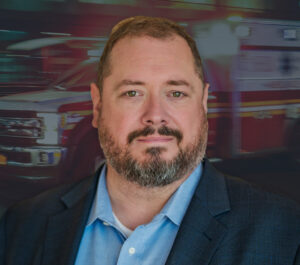
Arthur Ditzel, System Director for Emergency Management and EMS Outreach at Westchester Medical Center Health Network, draws on more than 30 years of experience in EMS, fire service, and healthcare emergency management to share lessons from both major crises and everyday emergencies.
Art shares:
- How collaboration strengthens emergency preparedness
- Lessons from managing weather-related and mass casualty events
- Practical ways to improve communication before and during incidents
- Why becoming a “trained observer” helps leaders identify risks
Transcript
(Automatically transcribed)Arthur Ditzel has spent more than 30 years in emergency response, from frontline EMS and fire service to healthcare emergency management. Today he leads emergency management and EMS outreach across multiple hospitals within the Westchester Medical Center Health Network.
In this conversation, Art shares lessons from decades on the front lines and explains why preparedness works best when it’s practical, flexible, and people focused. Let’s hear from Art. Hey, Art, thanks for being here.
Art Ditzel: Hey, Peter, thanks for having me. I’m happy to be here.
Peter Steinfeld: Absolutely. Well, let’s go ahead and jump into it. So you’ve worked everywhere from frontline EMS to healthcare emergency management. What does your world look like today? What kinds of challenges are taking up most of your attention right now?
Art Ditzel: Right now I’m the system director for emergency management for the western region of Westchester Medical Center Health. So I’m in Rockland and Orange County, in the suburbs of New York City. Really getting into community medicine and supporting the community as they come into the hospital and as we work with them. It’s a great partnership. I’m enjoying it a lot.
Peter Steinfeld: Well, you spent much of your early career being an on-the-ground responder. How did that experience shape the way you lead during crises today?
Art Ditzel: As an EMT and then as a paramedic, you work with one other person. So it’s a lot of self reliance and reliance on the person standing next to you. I’m a New Jersey native and I try not to be very New Jersey all the time, but sometimes it sneaks out a little bit. So I break emergency management down really simply — I got a guy. Even just recently, EMS week was a couple weeks ago, and trying to support the community that brings our patients to us. You know, they’re the first link in our healthcare chain. I wanted to do something special for the crews that were coming in, so I got an ice cream truck. I happen to know a guy that owns an ice cream truck. We brought him on as a hospital vendor and away we went. So I got a guy for ice cream.
Peter Steinfeld: That’s amazing. And it kind of leads into the next question I was thinking about. Emergency preparedness can sometimes feel very overwhelming or overly technical to a lot of people. So that’s a great example. But how else do you make it approachable for hospital staff and frontline teams?
Art Ditzel: You can’t be serious about it all the time. I like to try to come off as relaxed, as casual, even throw a joke or two in there. Believe it or not, you can’t be serious all the time. If you’re serious all the time, it puts people off. So I try to make emergency management approachable, especially on the education side of it.
Peter Steinfeld: Well, from your perspective, what are the biggest preparedness gaps that most healthcare organizations are dealing with right now?
Art Ditzel: So one of the gaps that I see in healthcare planning right now is for mass gatherings. Not necessarily mass casualty incidents, but mass gatherings are going to produce patients. You put 500 people in an airspace where there’s normally 50, in a park that’s normally spread out in the middle of June and July, and it gets hot out — are we ready to treat 40 patients coming in for heat injuries that we wouldn’t normally see on a regular day? We’re preparing for people not hydrating appropriately at these events, and we’re preparing for hot days.
Peter Steinfeld: And I know that not too long ago, the UK experienced some really, really hot weather for spring, and there’s a lot of downstream effect. It’s not only dealing with the hot weather itself and the heat stroke that it can cause, but people then going into bodies of water and they don’t know how to swim well, and they end up either potentially drowning or drowning. So there’s a lot of downstream effects from things like this, and it just gets exponentially multiplied when you start having lots of people coming together.
Art Ditzel: Yeah. Those downstream effects are quite literally killers sometimes. Not only folks going into lakes and ponds and things along those lines, but also on your critical infrastructure. When you think about the strain it puts on the electric grid when people are running more air conditioning units, if we’re opening extra cooling centers because we’ve got more people outside, those are strains that get put onto the local infrastructure, and it can cause failure.
Peter Steinfeld: Is there like a mental calculation that you do when you start to see something ramping up — like the heat is ramping up, or it gets really cold, or a lot of people are gathering — do you start to have this kind of mental calculation of, okay, here are all the downstream things that are going to get exponentially out of control if we don’t start to try to think about it and prepare for it in advance?
Art Ditzel: I think about certain things. And going back to having a guy — I have a very good friend of mine that works for another agency who’s also an emergency manager, and he and I will bounce ideas off of one another. I’ll say, hey, I’ve got this event going on and it’s 150 degrees outside and I need to staff up for cooling centers and things along those lines. And he’ll say, oh, did you think about Gatorade — just as an example — did you think about bringing in some sort of sports drink? And it’s always good to have that person to bounce those ideas off of, because I’m not going to have all the ideas. You’re not going to have all the ideas. Collaboration is key.
Peter Steinfeld: Oh, that is huge. And speaking of collaboration, I know something else that’s really important is just communication among different units, different facilities. Can you talk about any struggles you see with that in your world?
Art Ditzel: You know, post 9/11, everybody was directed to go to interoperable radios. I should be able to talk to you, you should be able to talk to me, I should be able to talk to the guy down the street, he should be able to talk to you. As much as that’s been a directive for 25 years, it happened to a certain extent, but not to the greatest extent. I’m aware of my background and I have two radios sitting behind me in view. One of them is a county radio for the county I currently work in. So I have interoperability with the county. That’s something that’s great. But anytime we activate an emergency operations plan for any event, we’re doing an after action report. And what’s the first thing on the top of that after action report every time, no fail? Communications. There’s always areas for opportunity in communications — whether it’s I sent out a mass message through my mass messaging tool and I missed five people. Those five people could be very important. It could have been the director of trauma services that for some reason was left out of a list. Mass communications is always tough. And even direct person-to-person communications — I have thousands of contacts in my phone. Peter, I don’t have your contact in my phone. What if I needed you? That’s always a gap, and where do I have that list?
Peter Steinfeld: Yeah, it seems like communication can never be perfect because every incident that you come upon is going to be different from the last. And information gets outdated. It’s really not a goal you should ever expect to achieve — perfect communication — but it’s something you should always strive to achieve. And in that act of striving, day in and day out, week after week, improving your information, making sure it’s correct, testing it, you’ll do the best you possibly can given the circumstances.
Art Ditzel: Absolutely. And you take those performance items from your after action report and you turn them into education, you turn them into exercises. You walk into your emergency department, it’s nursing huddle, it’s 7:15 in the morning — can I walk with you guys while you’re doing your rounds and talk about communications today?
Peter Steinfeld: Well, you’ve worked in both massive healthcare systems and much smaller community hospitals. So how did that shift in perspective impact your approach to emergency management?
Art Ditzel: I came from a large healthcare system and I walked in here on day one. It’s a different concept. Everybody here lives in the community, everybody here knows somebody that works in another department. Everybody’s family comes here for treatment. Whereas in the city it was a large corporate structure, and that’s not necessarily a bad thing. But there’s a much homier feel here — it’s much less corporate. If we had filmed this a year ago, I’d be in a suit and tie. I don’t think I’ve worn a tie in like three months. It’s amazing, but it’s not any less professional. It’s just a different feel.
Peter Steinfeld: Yeah. Did it really change how you came to work and did things? Talk more about that.
Art Ditzel: I’m still coming in and I’m still planning for emergencies and reviewing plans and going through different things as a network. Right now we’re in the middle of a comprehensive review of all of our emergency operations plans. So I’ve been knee deep in 3-inch binders for like a week and a half now. I read all the plans when I came in, but it’s a great way to stay on top of things. And even though I read them when I first started, I’m going through it and I’m finding little things that need to be updated that I missed the first time around. So preparedness is preparedness and education for staff is education for staff. We did a mass casualty exercise a couple weeks ago and one of the things I was talking about with staff afterwards was, we don’t get to see triage tags very often — the tags that come in on the patient: red, yellow, green, for critical, immediate, and walking wounded. We don’t see those come in very often because we don’t have mass casualty incidents very often. What can we do to review these things? And I said, I had a friend at another healthcare system down in the southern US who used to run Triage Tuesdays. He’d take 20 triage tags, just the tags, mark them up with vital signs and the appropriate colors, and he’d walk into the ER for a morning huddle on Tuesday morning with these 20 tags and say, hey, here’s your 20 patients — how are you dispoing them? Are they going to the OR, are they going to trauma, are they going to CT scan, are they going to the waiting room because they’re a treat and release? That’s something we’re going to bring in here in the near future.
Peter Steinfeld: What are some other things that the guy with the tie would share with the guy who doesn’t wear the tie?
Art Ditzel: Oh, the guy with the tie would tell the guy without the tie a couple things. The first thing being: relax. Emergencies are emergencies. Emergencies happen. Thankfully, it’s not a gray sky day every day. Most days are blue sky days. Don’t take the blue sky days lightly and don’t take them too seriously either. Sunday, a couple of weeks ago, I was at an EMS week event, listening to a lecture, getting my continuing education credit signed off, and hanging out with the other emergency managers for my health system. And my phone rings — we’ve got a problem at one of the hospitals way out in western Orange County. I’m in shorts and a T-shirt. Okay, I’m on my way. So those blue sky days turn gray very quickly. But you roll with it. Roll with the seriousness, roll with the non-seriousness. Anything can change in a minute. In New York City, wearing a tie and being serious every day — I think I took those blue sky days too seriously. I think it was a lot of, the world could come to an end in five minutes and I need to be on my tippy toes on the edge all the time. That hasn’t changed here. The world could come to an end in five minutes, but when the world comes to an end in five minutes, I need to go when the bell goes off. I just don’t need to be on the edge all the time.
Peter Steinfeld: When you think back on your career, what’s been one of the most defining experiences that shaped your perspective on healthcare resilience?
Art Ditzel: I can tell you it was a lot of little things over the years. Working in EMS, when I was a new EMT and starting out, we had a freight train in the town that I worked in and it went maybe five or six miles an hour. And somehow or another, somebody always ended up getting their car clipped by that train.
Peter Steinfeld: Wow.
Art Ditzel: Every couple months the car would get clipped by that train. It was an unguarded crossing. It just had the flashing lights, it didn’t have the bars. And you think about — if we’re seeing this many car accidents with minor injuries, thankfully, because the train moves so slow — why is this an unguarded crossing? How can we work with the railroad to upgrade this crossing? Little things like that started me thinking. And then there’s responder safety as I moved into more underserved neighborhoods that needed more help and more medicine. The first time you walk into an apartment in New York City and you knock on the door — you stand in front of the door and your partner grabs you and pulls you to the side, because you don’t stand in front of the door when you knock on it in case somebody yanks the door open and wants to do something harmful. That’s something you learn from. So you stand on the side of the door and knock. When you start thinking about highway safety — okay, I’m at a car accident on a highway. I pull my ambulance up behind the car because the accident’s in front of me. Well, maybe I should pull my ambulance around the front of it so that I’m not stepping out as traffic’s coming at me. Or maybe I get the fire department to put a fire truck across two or three lanes of the highway so now I’m protected by something big and red. It’s little things that have made me think over the years: how can I do this emergency better and this emergency safer, so the next time it’s automatic? I’m not thinking about it. How do I make that happen? I worked with a gentleman who, a couple years ago, got an award for being a paramedic for 50 years. I was a new paramedic when I started working with him. And he would jokingly say all the time, “I’m a trained observer. That’s how I saw that.” And I took that to heart. I tried to be a trained observer. I tried to see what’s going on around me — not necessarily the exact thing sitting in front of me, but the environment, that awareness of what’s going on around you.
Peter Steinfeld: Yeah, it’s getting more proactive instead of reactive. When you get into a situation, it’s not playing checkers, but more playing chess — thinking two or three moves ahead. And that’s hard to do, especially if you’re stressed out and you’re trying to deal with an emergency. To stop for 10 seconds and just think, okay, if I do this, what’s going to happen? Can I do it maybe a little bit differently? Like pull in front of the car instead of behind the car — things like that.
Art Ditzel: Yep. So it’s very much a thinking man’s game.
Peter Steinfeld: How do you do that? How do you tell someone to just take a beat, think about what’s going on in the middle of chaos, and think two or three steps ahead? It sounds like that can only come with experience, but are there maybe shortcuts you can give to people that can help them get there faster?
Art Ditzel: It comes with experience, absolutely. And it comes from the experienced person you’re working with or working beside. And unfortunately, it doesn’t come in real time. A lot of times it comes in that after action, it comes in that hot wash. It comes in at the deli across the street from the emergency room when you’re going for coffee after the call — hey, we could have done this better, we could have approached this situation that way, we could have said this instead of that. You’ve got to be willing to learn.
Peter Steinfeld: And I love this idea of learning from all the little things because they really accrete over time and make you a much more resilient and better responder overall. But what about the bigger issues that you’ve lived through in your career? What have you learned from those? Like maybe Covid — I know a lot of people had some crazy stories there.
Art Ditzel: Covid. I spent the first three months of COVID muttering, “Wow, never thought I’d do that in my career.”
Peter Steinfeld: Every day, right?
Art Ditzel: Yeah, every day. Covid was an interesting thing because we were directed by the state of New York to start doubling and tripling capacity in some areas. The health system I worked for had just about 500 ICU beds throughout the system. We were told to double our capacity. Where do you double ICU beds to? How do you double ICU beds? Okay, great. You move into med-surg areas, you build in cafeterias. You move med-surg areas into cafeterias, you build partitions, you get furniture from IKEA or something similar, and you move patients that are less sick into areas that are non-traditional treatment spaces. New York City and New York State brought in the USNS Comfort — they brought in the hospital ship — and that was impressive. And they built a large hospital in the Javits Center. The problem with both those facilities was the patients that were in our hospital wanted to stay in our hospital and they did not want to be discharged, because that was a discharge to go out to those facilities. We listened and we heard what they were saying. And I remember it very, very well. At 10 o’clock on a Sunday night, my phone rings and it was my VP. I’d walked through fire for him, and I did walk through fire for him. I’m like, hey, boss, what’s up? He said, tomorrow morning, 9:00 AM, be at Columbia. Okay, what am I doing? He goes, I don’t know, we’ll tell you when you get there. Okay. So I show up the next morning, I meet him and he says, all right, we’re going up to the sports complex at Columbia University and I need you to bring that measuring wheel you have. I had one of those rolling tape measures that I was using for layout — all the tents and things I was running to make sure they were fitting appropriately. I said, all right, I’ll meet you up there. I meet him up there. We walk into one of those soccer bubbles — those big white bubbles, Astroturf field, goalposts hanging from the ceiling. He looks at the group of us, there’s probably about 20 of us there, and we’re all social distancing at this point. We’re inside this bubble and it’s a little loud and he’s speaking very loudly. And he says, all right, today is Monday. Next Monday, we’re opening a hospital in this space. Wow. And the group of us kind of looked at him and we looked at each other and we’re like, okay, sure, boss, no problem. Let’s do this. I walked the space with one of the architects and we measured out the space and he went back to his CAD program. Another guy had figured out how much space we needed to put in low-acuity cubicles for patients. We figured out a way to bring in oxygen — they built an oxygen farm outside the bubble and piped it into the bubble. Those bubbles are positive pressure. We had to extend the doors so that we could get patient stretchers in and out through those sally ports without bringing the bubble down on top of everybody. That following Tuesday, we accepted our first patient. We had built a 288-bed unit in that soccer bubble.
Peter Steinfeld: Wow, that’s a really good story. And as you think about public health, how are healthcare organizations thinking differently about preparedness?
Art Ditzel: After COVID-19, we’re very focused now on new emerging problems. We do a hazard vulnerability assessment annually for all of our hospitals. It’s a tool that was developed by a healthcare system in California that pretty much most of the nation now uses, and it breaks down the hazards into human, natural, technological — and infection prevention and control. That infection prevention and control piece was new in 2021. A lot of us did not look at infection prevention and control as the biggest piece prior to Covid. Post-Covid, it’s definitely a focus, but we can’t lose sight of all of those other things. And I jokingly said, you know, you don’t have volcanoes in Orange County, but that’s on the assessment because there are hospitals throughout the country that have volcanoes in their areas. Earthquakes — we don’t get earthquakes on the East Coast. Except when we do. I was actually working from home the day that 4.6 hit New Jersey. My home office is my basement. I was working from home because my kids were home from school. And I’m doing something and my house shakes and I kind of look up and think, what are my kids doing up there? And then the house continued to shake and then my phone started ringing. You have to then ask — do we raise our vulnerability on earthquakes or do we leave it where it is? We saw one last year. What’s the likelihood we see one next year?
Peter Steinfeld: So it seems like pre-Covid, things were — and I’m speaking in just general terms here — hospitals tended to focus more on the acute individual patient. And now they’re thinking beyond that into the broader, more impactful issues that could impact the entire community.
Art Ditzel: I mean, there was community focus because we were worried about Ebola, we were worried about swine flu before that, avian flu before that. So there’s always that overall view that we’re looking at things. But it was a very acute focus. Now the focus is very broad. I don’t dismiss the earthquake on the HVA anymore. It’s something that’s possible. We had a very wet spring in the Northeast, but a very cold spring in the Northeast. And then we had a heat snap of 90 degrees for five days — a heat wave in May. How often do you get a heat wave in May in the Northeast? I started at my current health system in December and within the first month we had a major snowstorm and I was untested. They didn’t know me. I didn’t really know them. And we set up our first pre-snow call and I called my friend at the National Weather Service and said, hey, I know I don’t ask this very often, but I’m doing a pre-storm call. Can you join my pre-storm call and just kind of wow the leadership team? And it was as much for providing them information as it was to say, hey, look, I’m Art Ditzel. I’m your emergency manager. I know the guy who’s got the information. You can trust that I’m getting the information from the guy, but here’s the guy to give you the information. And we hung up off that call and my cell phone rang immediately and it was my boss here, and she says, you know the guy at the National Weather Service? Yeah, I know the guy at the National Weather Service. So it comes full circle to that “I got a guy” thing. Sometimes that guy is exactly what you need at that moment to provide the guidance and the stability and the reassurance that the emergency is going to end.
Peter Steinfeld: Well, you don’t have to be the guy — but as long as you know the guy, that makes a big difference. Well, if you could leave those emergency management leaders with just one piece of advice to improve preparedness, what would it be?
Art Ditzel: Trust your plans and know that your plans are probably going to need to be altered, but have a plan to alter them.
Peter Steinfeld: Fantastic advice, Art. Thank you so much for being on the show.
Art Ditzel: Thank you for having me, Peter. It’s been a pleasure.
Peter Steinfeld: To learn more about Art and his work with the Westchester Medical Center Health Network, click the links in the episode description. You can also watch the video highlights on AlertMedia’s YouTube channel. Don’t forget to subscribe, rate, and review the show wherever you get your podcasts. Stay safe out there.
Outro: Thank you for listening to The Employee Safety Podcast from AlertMedia, the world’s leading provider of risk intelligence and response solutions. To learn more about how to protect your people and business during critical incidents, visit alertmedia.com.

More Episodes You May Be Interested In
-
 The Strategy Behind High-Performing Safety Cultures
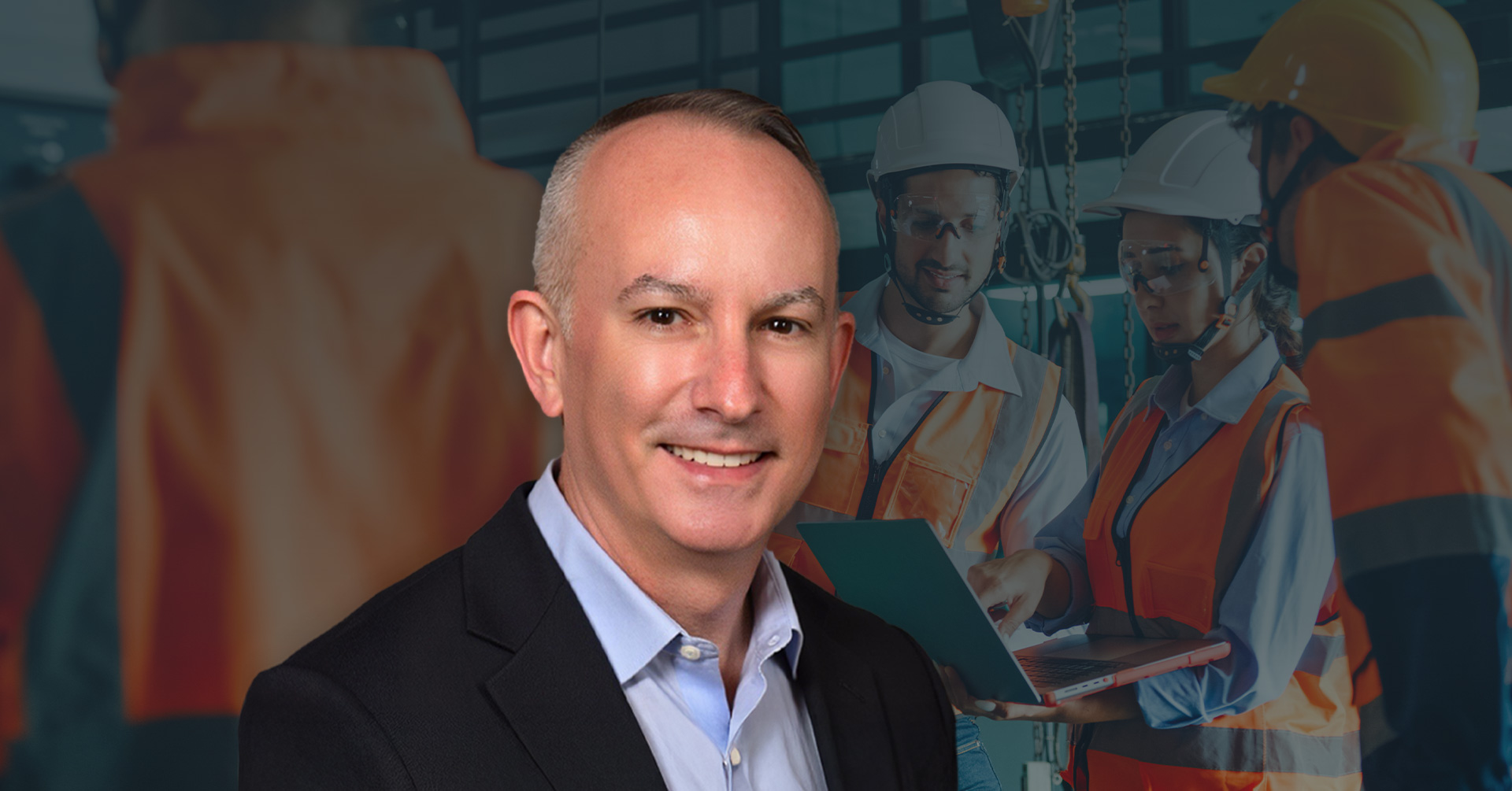
Too often, organizations measure safety by what went wrong instead of what must go right. Shawn Galloway, Best-Selling Author and CEO of ProAct Safety, explains how leaders can focus on the behaviors, decisions, and systems that create stronger safety performance. Shawn challenges leaders to look beyond injury rates and “let’s fail less” thinking to focus…
-
 How Macy’s, Inc. Executes Crisis Management at Scale
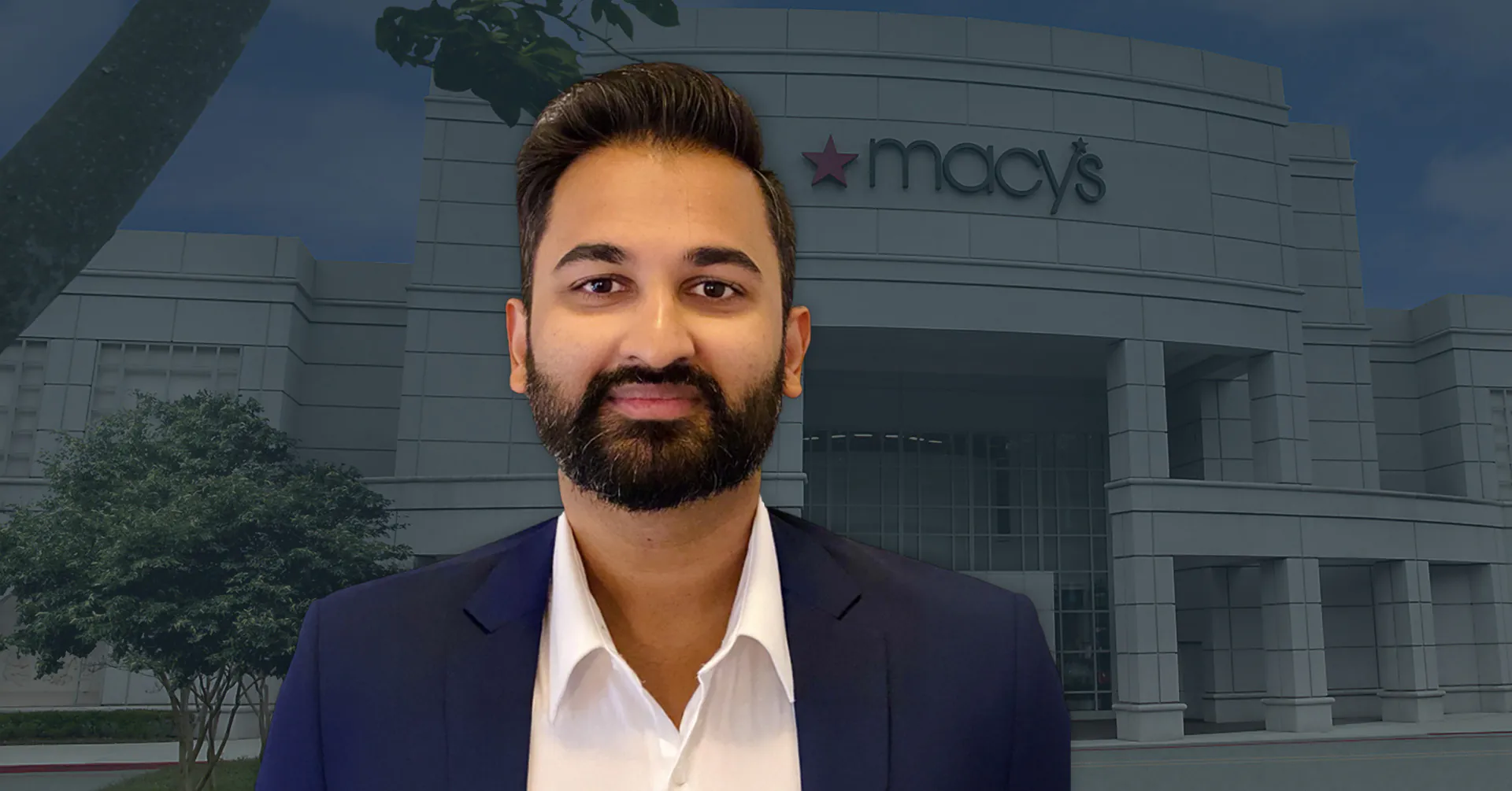
What does crisis management look like when you’re responsible for over 90,000 employees across hundreds of locations? At Macy’s, Inc., there’s no one-size-fits-all response. Vamsi Revuru, Lead for Enterprise Resiliency and Crisis Management, shares how his team navigates fast-moving incidents and large-scale disruptions. He explains how Macy’s executes crisis management in real time, where centralized…
-
 Security Lessons From a Leading U.S. Blood Center
When David Fortino joined New York Blood Center Enterprises—one of the largest nonprofit blood collection and distribution organizations in the U.S.—as Head of Corporate Security, he was tasked with building the company’s first enterprise-wide security program. With 2,300 employees spread across more than 70 locations in 17 states, and a constantly moving fleet of mobile…