The Strategy Behind High-Performing Safety Cultures
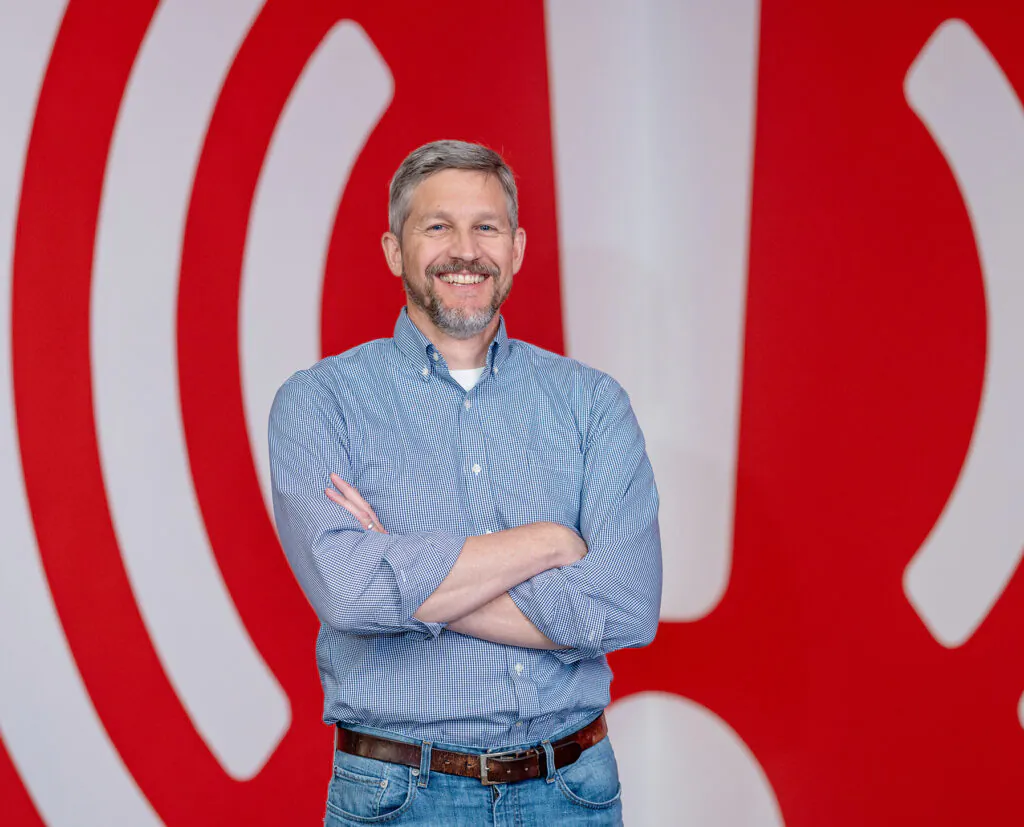
Too often, organizations measure safety by what went wrong instead of what must go right. Shawn Galloway, Best-Selling Author and CEO of ProAct Safety, explains how leaders can focus on the behaviors, decisions, and systems that create stronger safety performance.
Shawn challenges leaders to look beyond injury rates and “let’s fail less” thinking to focus on what drives better safety outcomes. He explains how clear expectations, leadership alignment, and practical systems can make safety easier to repeat across the organization.
Episode highlights:
- Identify the early signs of disengagement before safety performance slips
- Learn how leaders can amplify weak signals from the front line
- Understand why safety culture is shaped by what leaders tolerate, reward, and punish
- Discover how “boots on the ground” language helps teams align quickly
Transcript
(Automatically transcribed)Peter Steinfeld: Hello and welcome to The Employee Safety Podcast from AlertMedia, where you’ll hear advice from industry leaders on how to protect your people and business. I’m Peter Steinfeld. Today we’re joined by Shawn Galloway, CEO of ProAct Safety and one of the most recognized voices in workplace safety.
Shawn is a bestselling author, speaker, and podcast host with nearly three decades of experience helping global organizations strengthen safety culture, strategy and operational performance.
Shawn challenges conventional thinking around workplace safety and explains how leading organizations are turning it into a strategic driver of performance resilience and long term business value. Here’s our conversation. Hey, Shawn, thanks for being here.
Shawn Galloway: Thanks, Peter. I’m happy to be on.
Peter Steinfeld: All right, well, I’m looking forward to this conversation. Let’s start with the fact that you’ve spent decades working in safety across industries. How has your perspective evolved over the course of your career?
Shawn Galloway: I started in the military college afterwards, and my first corporate employment was with Fleur Daniel. Now, Fleur and I worked primarily special process engineering. That got me exposed in the 90s to process safety management.
So up until I joined Pro X 1805, I had been focusing primarily on the compliance side of things.
My thinking evolved and changed quite a bit because I came from that degree of rigidity and I thought about the things that our firm does, and I thought a lot of it had to do with just getting people to care. If you get the leaders to care, the employees to care, the rest kind of takes care of itself.
And that was very naive thinking, you know, 21 years later. But at the time, one of the first projects I went on was with a leader that wanted to change his culture.
And he was the head of operations for this very large enterprise. And I thought, this is going to be easy because he cares a lot, easy to work with. We’re going to make a big difference.
And a couple of weeks after we started working with him, he got up in the middle of the night to use the restroom and must not have seen the magazine on this carpeted bedroom floor.
And when he looked on that magazine, his wife shared the story that he hit his head on the nightstand and he went to the restroom, back to sleep, not realizing he was internally hemorrhaging, and passed away. But it really got me thinking differently. It’s kind of like what Peter Drucker says. It’s not enough to try your best.
You have to first know what to do and then try your best. And that really got me thinking much more specifically about safety, that you could care all you want.
I’ve seen a lot of very caring people lose their life, including my best friend on a vacation one time. So it’s not enough to care. We need specificity.
And since then, I’ve just continued to evolve in how we look at programs and how a lot of organizations tend to be on what I call the safety fad diet. Like, we’re always chasing these new ideas and these new concepts, which not a lot’s really new. It’s just repackaging old thought.
But it really got me thinking that the employees, the supervisors, the contractors, all of them are customers and consumers of what we do to protect them and help them protect themselves.
And if leaders don’t see value in what we’re trying to do, if employees don’t see value, leaders aren’t going to invest capital and resources, and employees aren’t going to invest what we critically need from them. And that’s their discretionary effort to be great at safety.
So my thinking evolved from get people to care to being very specific to is what we’re doing really of value? And do people see value in what we’re trying to do?
Peter Steinfeld: Yeah, because ultimately that’s what’s going to make them change and embrace something. And first of all, I’m sorry you had to go through that.
It’s unfortunate that we have to go through bad things sometimes to realign our vision and start thinking in a different way. But fortunately, you’ve taken that bad thing and made something really good of it. So again, again, thank you for that evolution you went through.
Shawn Galloway: Thank you, Peter. Appreciate that.
Peter Steinfeld: Yeah. Well, you talked about management. So when you’re working with executive teams, where do you tend to see the most misalignment when it comes to safety expectations?
Shawn Galloway: So about the same time I joined the firm, we were working with some organizations, and the executive head of safety had been taking some classes on strategy, and it picked his interest. And he went to all of the key safety leaders and said, you have six months. Give me a strategy. I want to see what the strategy is.
And none of them could provide what he had learned from business school, what a strategy is. And that led us to writing several books on this. Steps to Safety, Culture, Excellence, Inside Strategy.
And we realized that a lot of organizations don’t really have a strategy. It’s more, let’s fail less. And if we fail less, we must be doing the right thing. And we know that that’s not an accurate representation of reality. So what I often find — we started asking this question about 18 years ago — that if you’re among the executive team and if I asked you and six of your peers on the team to define what success is in safety and then who’s responsible for that and how do we get there? If you ask the top seven people, in my experience of almost two decades of asking that question, you’ll get five distinctly different answers.
And if we’re not on the same page for where we’re going and what the destination looks like, then it’s no wonder we create all of these different competing cultures as those individual values and edicts tend to cascade throughout the organization.
And then the other area is the disconnect between what’s actually happening, work is done versus how we imagine work is going to go or how we plan work is going to go. It’s not up to leaders to be determining what the priorities and the values are for the day.
Those values and edicts need to make sure that they’re making their way down. So how do I make sure the people closest to the work know what we’re really about as an organization, what we’re trying to accomplish?
And then on the other side to that, those concerns, those, hey, we went to go do this work, the bulb didn’t come out. We needed to drill that out. That was a deviation. Why aren’t we capturing those things? Because we don’t.
And typically we’ll hear about those deviations when something terrible happens. And but we’re missing all of those what I call weak signals throughout the organization. And it’s up to leaders to amplify those signals.
As most people closest to the work, they want to go home at the end of the day, they’re not trying to get injured, they’re trying to get the job done. What often happens is unintentional.
Peter Steinfeld: Well, the opposite of that lack of alignment is safety excellence. And I know that’s something you’re extremely passionate about. So how do you define safety excellence in today’s operating environment?
Shawn Galloway: I believe there are four things an organization needs in order to truly be on the path to safety excellence. Because that, of course, is a marathon and the goalpost keeps changing.
So I think the four elements are, one, does the organization have the ability to get and repeat great results? The second part, though, is do we have insight into what’s producing those results?
Because if we can’t with confidence, point to why we had this great safety performance, we need to work to manage the luck out. Then the third part is, do we have confidence in our system’s capacity to prevent?
So are we managing out the risk through more engineering controls than putting more paperwork and PPE on people. So that’s the preventative side of system capacity. Then the recovery side. When a mistake is made, a deviation occurs.
How quickly do we catch that and learn from that? And if something terrible happens, how do we minimize the resulting severity or bring the operating environment back to the pre incident state?
And then finally the fourth part is are we maintaining a mindset that regardless of how well we’re doing, there’s always opportunities to be better.
So it’s constantly searching for there has to be a better way to do things because all progress begins by thinking differently and the same thinking that produce today’s problems. It’s not going to be the same thinking. It’s got to find our way out of them.
Peter Steinfeld: That’s exactly right. And I think that last point is so crucial and it comes down to the culture of an organization. I’ve been in this industry for several decades now. I know you have too.
And I’ve noticed it’s changed over the years from safety being like a compliance checklist that people would say oh we just got to do it to it’s becoming part of how a company operates. It’s painfully slow.
But I see the change in the uptick in organizations and they realize that when you operate with safety in mind on a daily basis, minute by minute, it becomes a competitive advantage. So what are your thoughts on that? Do you see that change like I’ve seen and is it as painfully slow as I’ve experienced in your mind?
Shawn Galloway: It’s painfully slow because it was designed in afterwards if we make the safe choice, the difficult choice, it’s a design problem, we didn’t design it correctly. Now what do we do with that? Because you can’t roll back time.
So that’s part of what a lot of the organizations I support because either call optimizing our safety systems or making the safe choice the easy choice. Because when we can make the path of least resistance easier, we’re going to get what we want.
So with that you have to have conversations with people to try to understand what do they perceive as dumb, what do they perceive as non value added, a waste of time. Because again, if they don’t see value in it, they’re not going to do it.
And a lot of the things that we ask people to do quite frankly is at their discretion. So if things are painfully slow, it’s because we didn’t think about how are we making this very easy for people to do the job safely.
So I see that yes, it does become a competitive advantage. When leaders realize that being safe is just being great.
Because most of the time, when I see an organization that’s slipping in their safety performance, I also see that it’s reflective in quality. It’s reflective in cost and schedule and productivity. So safety is just an indicator.
And I’ve been on stage with many CEOs that will challenge the leadership team, saying things like, if you can’t be great at something as important as safety, what else aren’t you good at? So it’s not just a competitive advantage. It’s a reflection on leadership.
And leadership that’s the priority for something based on how often they’re talking about it.
And if we’re just talking about safety being something that also we have to do, that sends a very strong message to the organization versus how are we going to safely accomplish this task? How do we safely meet our budget?
And even that little antecedent of dropping that in there in the conversation sends a very loud signal throughout the organization.
Peter Steinfeld: What about the organizations that believe everything you’re saying, like, truly? And then they start out with that in mind and there’s a big rah rah effort and everything’s great. And then corporations do what they do.
They institutionalize things. They come up with processes and bureaucracy and it stagnates. What do you recommend to organizations to keep things dynamic?
Shawn Galloway: It hasn’t become cultural, if that’s the case. It’s just something else we’re doing.
A lot of Western organizations challenged with implementing philosophies like lean manufacturing because it hasn’t become cultural. And when it becomes cultural, it becomes a mission within key people within the organization.
One very large conglomerate that I worked with, they had a global Health and safety committee. They didn’t set policy. They were more, I would say, protectors of the values of the organization.
Their stated mission was to continuously improve the quality of life of the employee on and off the job. So when policy would be set, they would look at that and say, is that going to improve the quality of life? No, that’s going to upset a lot of people. How do we lessen the pain? So there are people that are kind of protectors of the culture.
You need something like that in order for the leaders to get enough exposure that that truly is our way. Because cultures form by what leaders tolerate, reward and punish.
Because if, Peter, I report directly to you, and then if there’s another leader in the organization named Sheila and I leave from working for you and I now work for Sheila, what Sheila tolerates, rewards and punishes might be different. So I’m going to start having a different lived experience with those teams and I’m going to get exposed to a different reality here.
So there needs to be people that truly protect that, that have the political influence to be able to make this last within the organization, while slowly, over time, we’re able to bring all the leaders together. And that takes years. So it’s not some program you deploy and then wonder why we don’t have sustainability.
You have to plan sustainability in the very beginning that if we go in this direction, what are we going to anchor this into, how do we make sure that this lasts? And what are our measurements that are going to be new on a balanced scorecard for us to truly assess?
We are progressing and we’re slowly and slowly minimizing those disruptors, naysayers, things that might influence us to go back in time to where we’ve come from.
Peter Steinfeld: What else separates organizations that consistently achieve strong safety performance from those that simply don’t?
Shawn Galloway: The thing that really separates the organizations that are able to and aren’t able to, it comes down to two really simple things. Our infrastructure, our tribe.
Do we have the right systems in place that regardless of who’s coming in from the tribe, we’re not going to put them in a position to where they can make a bad decision?
And then the second is what do we do to provide the right tools, equipment and mindset and thinking so people can be safe where we don’t have that degree of oversight? I’ve worked on a lot of mergers with organizations that had a stronger infrastructure, others had a stronger culture tribe.
Both had similar safety performance, went about it a couple of different ways. So I think both are important. But you have to look at where are we going and what does success look like? Is it in our systems? Is it on culture?
Is it both? And then we have to look at where are we today? Once we know that delta, then we can know what we can start focusing on to try to close that gap.
Peter Steinfeld: Yeah. And there is no one size fits all. I know you’ve seen dozens and dozens, probably hundreds of organizations, so you probably see patterns emerging.
But when you walk into an organization, what are some of the early signals that something just isn’t working as well as it should?
Shawn Galloway: So first I’ll say culture. I was walking into a chemical plant in Louisiana and management was giving me the tour.
And as we were walking around the plant, we were hearing they were throwing bird signs to let people know where people were in the tour. So there’s fear of management. Wow. So that tells me right away fear — something’s not working.
That’s one of the first things that I’ll see is how is normal operations disrupted when somebody senior is out on the floor. So when I start looking at even simple things like the eyewash station, how clean is that to go into the restrooms, how is that being maintained?
Scrap on the floor, how orderly are things? But those are the things that are pretty easy to see because you’re looking at conditions.
I think it’s more relevant to look at how the employees are working with one another and how they’re interfacing as leadership comes out on the floor. Because then you look at how strong of a tribe and a culture does that organization have. But you’ll still see those indicators out there.
That tells us that if I’m putting my children to come work out here, would I want them to be exposed to these types of risks and then if they’re out there, do I feel comfortable the people that they’re going to be working alongside are going to stop them before they make a bad decision that they don’t realize is a decision that’s bad.
Peter Steinfeld: So a lot of people are listening to what you’re saying and they’re thinking to change this it’s going to require all sorts of new rules and regulations. So can you share an example of an organization that improved its safety performance without adding more complexity?
Shawn Galloway: Absolutely. There is a pipeline construction company. They have about an 80% turnover every year because they’re project based functions.
So they staff up where they go, including their foreman, which is that first level of leadership is seasonal. So even the people to shape performance and culture aren’t even a part of the culture. So that’s a huge challenge.
And they don’t even have the time to do all the required safety training. So their challenge is how do we keep the most important thing the most important thing and what they did really — no new programs, just alignment on performance expectations.
They got together as a leadership team and said when we show up on a project, what are the things that we would see that if consistent would tell us we’re going to have a great day and no injuries is part of that great day. So we identified some things that I call boots on the ground language.
Well, we would see evidence of mentoring and coaching, we would see a clean and organized work area. We would see good job planning with day to day tasks.
We could walk up to anybody and ask them what their safety duties are or their job roles are and they’d be able to tell us from memory. So there are some things that they came up with there.
And as Steve Jobs says, I’ll paraphrase to be polite, what interests my boss fascinates the heck out of me. So people pay attention to what the bosses are paying attention to.
And when these bosses started showing up on the job sites, the project engineers, the project managers, superintendent started realizing we better make these things happening.
Because leaders consistently looking for this — the other side — they looked at the types of exposures they have and incidents they’ve had and they identified four things. If you’re on one of these crews for the next six months, eight months, nine months, these are the four things we want you to pay attention to.
And in English, acronyms work as a mnemonic device to get people to remember. But it was HELD. H-E-L-D. Hands — where are you putting your hands? Are you wearing the right gloves? E — eyes on path. Don’t put any part of your body where your eyes haven’t previously scanned. L — line of fire. Stay out of the path of any potential of release of energy. Rotating equipment where you’re standing and the outriggers are coming down. And D — position of footing where those outriggers are going down. Three point contact. So they did a really good job socializing those things into the organization, had great continued improvement.
Even one of their oil and gas clients, who rarely give a whole pipeline project to one company for continuity reasons, this one client of theirs saw what they were doing to align the workforce and were so impressed they awarded them extension of that project. So back to your earlier point, safety did become a competitive advantage. They didn’t roll out any new programs.
They got alignment in the organization because it’s not just the output, no injuries on time schedule, all of that. But are people aligned with the performance that’s going to deliver that result?
Peter Steinfeld: Well, we started our discussion with you talking about some bad things that happened that had you changed the way you framed the world and how you saw things. So with that in mind, what changed inside this particular organization that made those results repeatable and not just a one time improvement?
Shawn Galloway: Everybody was talking about the same thing continuously and it was anchored in evaluations of job sites. I think the thing that really made it stick though was when they were awarded an additional several million in revenue from that.
I mean, quite frankly that’s a pretty loud signal that because they say, wow, we can actually monetize what we’re doing in safety that produces an increase in revenue profitability. So I mean, truth be told that was probably the biggest thing there. But when I see it stick, it’s when we’re all paying attention to the same thing.
And that’s where you have challenges in culture, because a lot of companies will develop their core values that are, quite frankly, situational at best. So if everybody knows positive consequences and negative consequence, you’re generally going to get more alignment and performance.
And if you want to align performance, what makes it stick is when we have consistent answers to really four questions. What do you want people to do? And that’s where it has to be behaviorally defined, not results defined.
The next question is, how do we get it out of our head and into their head? So how do we get people to really understand the communication? Strong. This is what I’m looking for. And then you have to have two answers.
That’s referred to as a balance of consequences. What happens if people do it and what happens if they don’t? And we tend to have more answers to what happens if they don’t.
We call that progressive discipline. And that also focuses people on management by exception. We look for the things that are out of place.
We address it, and then we don’t say anything when we’re getting what we want. So you don’t have as much positive reinforcement.
So when you start making things truly stick and sustainable, it goes down to, are we changing and are we consistent with what we tolerate, reward and punish? Because we want people to trust this direction. We want people to trust how they show up.
And trust forms through what therapists call a model of PCB over T. And that stands for positive consistent behavior over time. That’s how all trust forms in any relationship. And if we want people to trust that safety really is the way.
It’s the way we think about things, the way we do things. They have to have a positive, consistent experience over a period of time for that trust to form.
So it changes when we start getting all the leaders to align with those performance expectations. And we’re doing a better job with answers to if we start getting some of that. I’m not talking about incentives and rewards.
Even as simple as Peter, I saw you take some time to talk to that new individual on the trade there, and they’re still an apprentice out here. And I really loved how you were talking through, thinking about what they’re doing and the downstream effect of that.
That’s exactly the type of stuff we need on this crew to get people home every day. Thank you for that. That goes a long way versus 238 days without an injury, whatever you’re doing is great. So keep that up.
Peter Steinfeld: Right. Nobody knows what they’re doing. It’s just lucky.
Well, for organizations that are trying to create that kind of consistency that you say is so important, what are some other things that really must be true behind the scenes for it to actually work?
Shawn Galloway: The essence of strategy, as Michael Porter pointed out, is fit among a company’s activities. So organizations have to have a strategy. But that strategy is the final point in what I call true capacity.
And there are five capacities the organization that they need to build, and few companies have the bandwidth to do all of them at the same time. The first one is system capacity. And we talked about that earlier. So we’re confident with that.
When we’re actually measuring our corrective actions that follow an event against the hierarchy of controls, and it’s no longer 80% of what we do to respond is more paperwork and PPE. It’s actually we’re investing capital in engineering these things out, so we’re reducing the likelihood of an error to be made on this.
And then we also have good planning for what happens when things don’t go to plan. So do we have confidence in our ability to prevent harm?
And do we have confidence that if a mistake’s made, how we’re going to respond to that very quickly before it’s bad, then we have confidence in our leadership capacity. And that’s really two things. That’s making sure we’re aligning people with those performance expectations.
But we’re as close as possible to the work to identify where deviations may be taking place. Then the third is that cultural capacity. So we need to be intentional about the culture we want, because everybody has a safety culture, just may not be the one that you want. So are we intentional about that? Then engagement capacity — do we have the capacity to tap into discretionary effort to get people interested, which is the first step of engagement?
Because a lot of companies say we need engagement — you have it. It exists on the spectrum. You may have disengagement, but you have an element of engagement. Engagement begins, which is also where incentives stop working.
When you get somebody interested in what we’re doing, you know, tell me a little bit more. I’m intrigued by that now. It’s intrinsic motivation. Then it moves to buy in. Conceptually, I buy into what we’re trying to do.
I may not want to participate, but it makes sense. Then you get people to willingly participate. They’re doing it of their free will, not because of a quota or somebody’s reminding them.
And then you get self ownership and then what I call shared ownership, where we’re each other’s battle buddy.
I will carry you today, Peter, because I know you’re struggling, because I know you would do absolutely the same thing for me if I was in that same situation. So we’re collectively working on the same objectives and helping each other out.
And the companies that really stand out are focusing more on how do we build the ability, capacity to produce great performance, but also keeping our head on a swivel, maintaining situational awareness. Some oil and gas companies call it chronic unease — that it’s not that we’re fearful the sky is falling, but we’re aware the work that we do, anything bad could happen in a moment.
So we’re constantly looking for all of those signals and amplifying them, or we’re looking for where there might be a chance to deviate from this and we’re putting better safeguards in place.
Peter Steinfeld: Well, when all those elements you listed aren’t fully in place or fully baked in an organization, where do you tend to see things break down first? What are the early indicators that people could watch for to say, oh, we need to course correct here?
Shawn Galloway: A lot of it has to do with the resistance of employees to want to do the things that we want them to do. And you’ll see that in lack of volunteerism, you’ll see that in lack of speaking up in a safety meeting.
And then if it’s so frustrating to the employee, you see greater signs of that disengagement on the far left, if you will, of disengagement, you have disdain. And that’s the worst. That’s where somebody thinks, I want to burn this place down. Terrible. But that’s also intrinsic motivation.
They hate the place they work at, their boss, whatever. So then you start moving towards apathy, which is the opposite of love. They could care less.
Then, as you’re moving closer to engagement, you get uninterested. I don’t want to participate in this. I’m not interested at all.
And then you get present, which is the neutral middle — paycheckers doing the minimal necessary. To me, I start seeing that in evidence of employees’ willingness to report things, to do things, to be a part of things.
You’ll start to see those things if you’re paying attention to them before you see performance change.
If the performance is changing, the indicators are there and you didn’t know to look for them or you weren’t giving them the attention that they’re due. So in the effort of employees.
If they’re just doing the minimal necessary to finish that 8, 10, 12 hour shift and go home, then you’re never going to get to excellence. And I’ve never seen a company punished into excellence. I’ve seen them try to do that to the workforce.
But you also never see excellence occur with people doing the minimal necessary. Just like compliance. I live in Houston. There’s no basements here, so it’s at least our ground floor.
But where you have basements, that’s your foundation. That’s the minimal necessary. So it starts with first defining where we’re trying to go.
What does success look like three years from now, five years from now, whatever that time horizon is, then we have to look at where are we today? Because if we go out and say, what are those symptoms? Well, what are we measuring that against? Aside from we don’t like what we see?
Then we have to go in and say, well, why don’t we have what we want? Because there’s always a reason for that performance. But you see it very evident in some of the compliance things we’ve talked about.
Just the housekeeping, you start seeing disorder around that.
But mostly to me, just because I’m more interested in the people dynamic side of things, you start seeing that in the desired behavior becoming less and less and moving closer to that present paychecker type of behavior. They just don’t want to engage.
Peter Steinfeld: Yeah, that’s super insightful. And I think one of the most beneficial skills a manager can have is to be able to read the room.
As they say, just understand what your audience is thinking because that can help you get early indicators that something’s not quite right and then you can course correct.
Shawn Galloway: You’re absolutely right, Peter.
You need to be able to identify those behavioral cues that say somebody was once a paychecker now they’re at apathy, or somebody was once willing, now they buy in, but they’re not doing. So you have to be able to look for these things.
But the other side to this, if you really care about your people and if you’re really developing the relationship, you’ll see other things.
And one quick example, a senior leader was telling me he was on a line crew, so power utility on a line crew and was sharing with me about 30 years ago he was going through a really, really terrible divorce and his boss knew what he was going through with his soon-to-be ex wife and made the decision to pull him out of the bucket — so working on high voltage lines — for three weeks. And he told me during those three weeks he was really upset, but he’s mature now to know his boss saved his life. He shouldn’t have been doing that work. So leaders need to be looking for where the engagement and disengagement types of behaviors are existing.
But even more importantly, to be able to step in when we see somebody’s having a difficult day, that their mind’s not in the game, to help people.
So with all of that, I think it comes down to relationships and knowing your people, knowing what behaviors are normal and not normal. So you can sometimes step in and help a brother or sister out if they might be struggling.
Peter Steinfeld: That’s a fantastic story.
Well, to wrap up, what’s the one shift our audience members could start, let’s say today, if they want to turn safety into a true strategic advantage for their organization?
Shawn Galloway: If there’s one thing that they could do that I would argue is probably the most effective, it’s having an honest conversation about two things amongst leadership within the organization. If we were to leave our company today, five years has passed, and over this period of time, our company’s become the best in our industry.
Others are trying to benchmark against us. We’re now back in the seat. Five years later, we have this great success.
When we go out into the operating environment, wherever people are doing work, what do we see, what do we hear that tells us this is why we’re so great?
If we can get among leaders a behavioral definition of what success looks like, not just the results, that means it’s observable, that means it’s measurable, and that means we can coach for it. You can’t coach for results. You have to coach for the performance that leads to the results.
And if we can get leaders aligned with what that performance is, then the next question is, where are we today against that? And then how do we close that gap? But if there’s one thing that organizations can do, it’s have that honest conversation.
And to that, what is it we’re trying to accomplish?
Because if our goal truly is safety excellence, world class, best in class, whatever term, that takes a wildly different allocation of resources than if our objective is incremental improvement. Both are great journeys because we’re doing something and there’s no stasis in safety.
But if all we can afford to invest in is incremental improvement, we need to be transparent about what’s possible, what’s not possible.
So get aligned with where we’re going, the reality of that, and then what does it look like when we get there — that would be the one thing that I think would make the biggest difference for anybody in any industry, in any company.
Peter Steinfeld: Well, Shawn, this has been great. It’s like a waterfall of information and insight. Thank you so much for being on the show.
Shawn Galloway: Thank you so much for having me, Peter.
Peter Steinfeld: To learn more about Shawn and his work with ProAct Safety, click the links in the episode description. You can also watch the video highlights on AlertMedia’s YouTube channel. Don’t forget to subscribe, rate and review the show wherever you get your podcasts. Stay safe out there.
Outro: Thank you for listening to The Employee Safety Podcast from AlertMedia, the world’s leading provider of risk intelligence and response solutions. To learn more about how to protect your people in business during critical incidents, visit alertmedia.com.


More Episodes You May Be Interested In
-
 How Macy’s, Inc. Executes Crisis Management at Scale
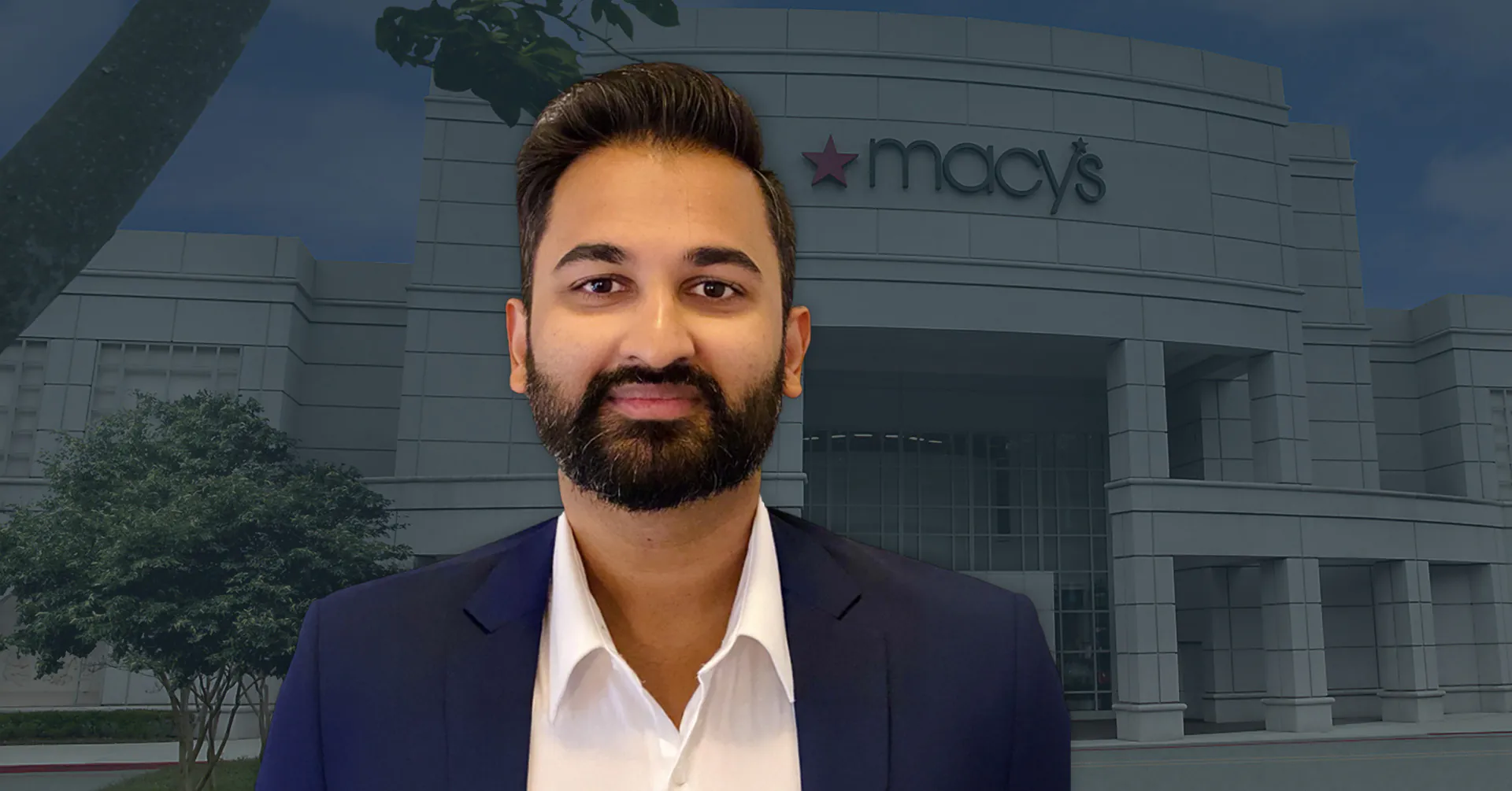
What does crisis management look like when you’re responsible for over 90,000 employees across hundreds of locations? At Macy’s, Inc., there’s no one-size-fits-all response. Vamsi Revuru, Lead for Enterprise Resiliency and Crisis Management, shares how his team navigates fast-moving incidents and large-scale disruptions. He explains how Macy’s executes crisis management in real time, where centralized…
-
 2026 FIFA World Cup: Risks Every Organization Should Know
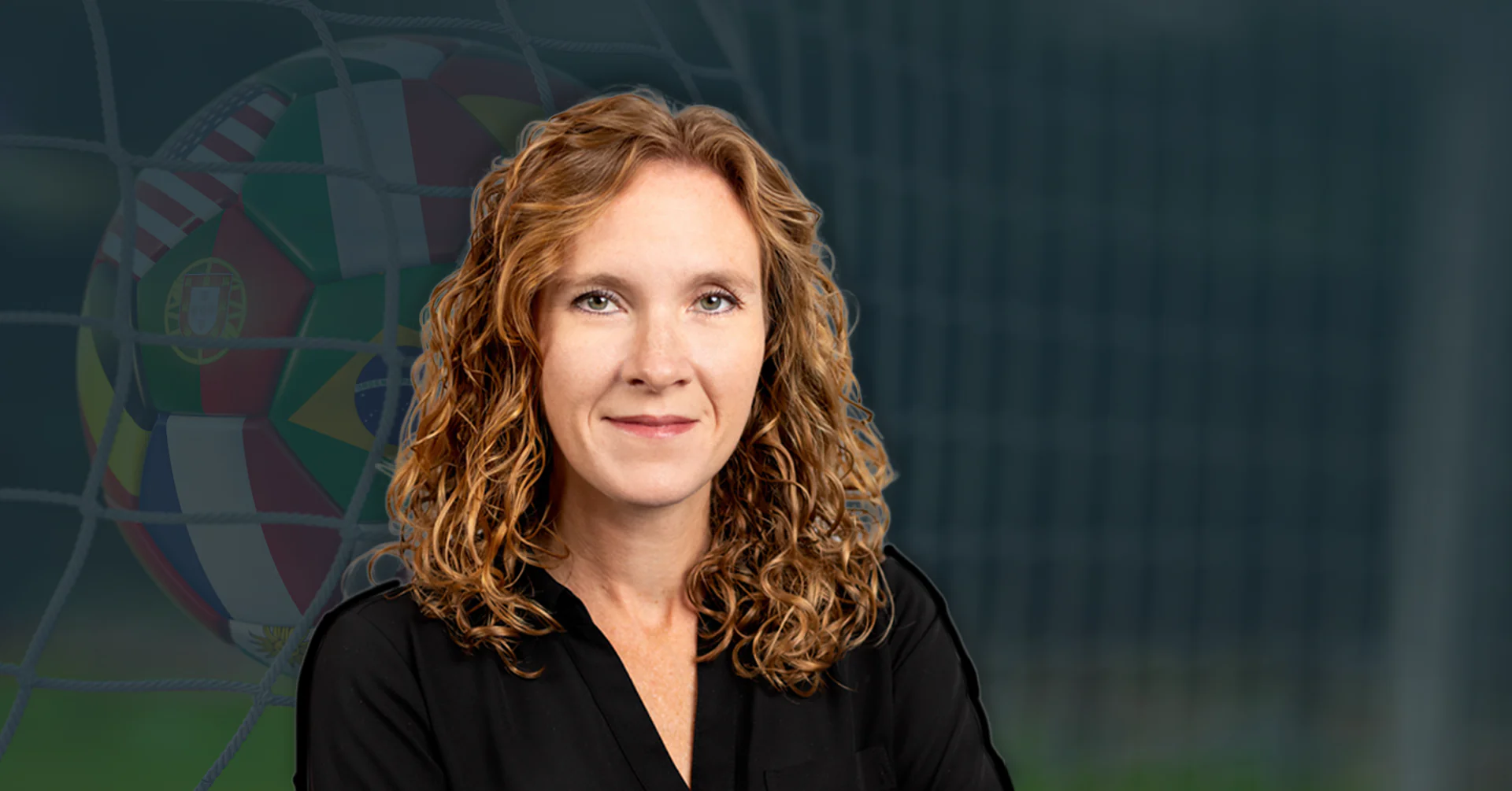
The 2026 FIFA World Cup will be the largest and most complex tournament in the event’s history, spanning three countries and 16 host cities. With that scale comes a wide range of risks that extend far beyond the stadiums, impacting employees, travelers, and operations alike. Sara Pratley, Senior Vice President of Global Intelligence at AlertMedia,…
-
 The A.L.I.V.E. Program: How to Respond Effectively to Workplace Violence
In a moment of crisis, your first reaction can determine everything. Michael Julian, founder of the A.L.I.V.E. Active Shooter Survival Training Program, shares his proven mental and physical techniques for surviving an active shooter scenario. Michael walks through the A.L.I.V.E. framework, a practical approach that equips employees with skills and confidence to navigate any act…