
A single demonstration can disrupt travel, delay operations, and put employees at risk. This playbook explains how to prepare before conditions change.
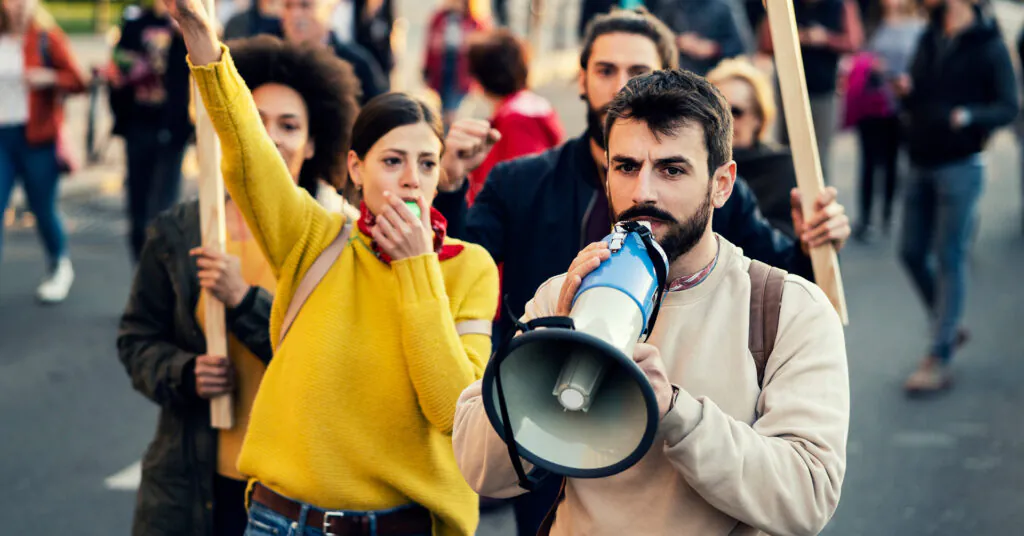
Emergency Management Aug 19, 2026
Civil Unrest Preparedness: How to Protect Your Employees and Business Operations
2026 U.S. Midterm Election Situation Report
Understand the security, communication, and continuity risks surrounding Election Day.
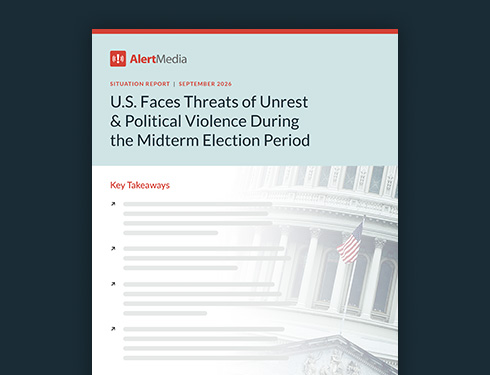
Table of Contents
- What Is Civil Unrest Preparedness?
- Building Situational Awareness Before Things Escalate
- >Crisis Management Plan Video<
- Protecting Your Employees
- Securing Facilities and Assets
- Keeping Operations Running
- Communicating Through the Crisis
- Legal and Insurance Considerations
- After the Unrest: Reviewing and Strengthening Your Plan
Many business leaders feel far removed from the threat of civil unrest. Maybe your office is on a quiet street or in a remote location. Maybe political issues rarely come up in the workplace. Or perhaps you assume riots, violent protests, and large demonstrations are unlikely to affect your employees or operations.
The reality is that civil unrest is an ongoing business continuity risk. Even organizations far from the center of a demonstration can face road closures, transportation disruptions, employee safety concerns, property damage, and supply chain interruptions. That’s why many organizations include civil unrest planning in their enterprise security risk management (ESRM) strategy, helping security teams identify potential threats, assess business impact, and prepare coordinated responses before an incident occurs.
As communities continue to experience periods of heightened tension, organizations need plans to respond quickly while protecting their people and maintaining operations. As Suzanne Bernier—President of SB Crisis Consulting and an award-winning crisis management expert—explained during a recent episode of The Employee Safety Podcast, “Having a plan and not having to use it is far better than not having a plan and needing one.”
This corporate playbook will help you strengthen your civil unrest preparedness strategy, protect your employees, and build a more resilient organization before, during, and after a civil disturbance.
2026 U.S. Midterm Election Situation Report
Understand the security, communication, and continuity risks your organization should prepare for as the November election approaches.
What Is Civil Unrest Preparedness?
Civil unrest preparedness is the process of planning for and responding to riots, violent protests, demonstrations, and other civil disturbances that could threaten your employees, facilities, or business operations. It plays an important role in enterprise risk management by helping organizations anticipate disruptions and prepare effective responses before incidents occur. Strong preparedness protects people, supports business continuity, and helps teams maintain critical operations when conditions change.
Effective emergency preparedness starts with the following steps.
| Build awareness | Protect employees | Secure assets | Keep operating | Communicate | Manage legal considerations |
|---|---|---|---|---|---|
 |  |  |  |  |  |
| Monitor for early warning signs and potential threats | Keep people safe with clear response plans | Reduce the risk of damage to facilities and property through target hardening | Maintain business continuity during disruptions | Ensure timely crisis communication before, during, and after an incident | Understand your responsibilities and insurance coverage |
Building Situational Awareness Before Things Escalate
At 10:00 am, a company learns that a peaceful protest is planned several blocks from its headquarters. By lunchtime, local officials announce road closures as the crowd grows larger than expected. Employees begin asking whether they should leave early, deliveries are delayed, and traffic around the office slows to a crawl. By mid-afternoon, a small violent group breaks away from the largely peaceful demonstration, police establish a larger perimeter, and nearby businesses begin locking their doors.
The best time to manage civil unrest is before it escalates. While no organization can predict exactly how a demonstration will unfold, many incidents are preceded by warning signs that give businesses time to assess the situation, communicate with employees, and activate their response plans. Building situational awareness before an incident develops gives leaders more time to make informed decisions rather than react under pressure.
Early warning signs of civil unrest include:
- Planned demonstrations announced on social media
- Public event permits for large gatherings
- Increased law enforcement activity
- Road closures or traffic advisories
- Demonstrations near your facilities, government buildings, or other gathering points
- Reports of counter-protests or competing events
- Alerts from local emergency management agencies
- Employee reports from nearby offices or job sites
As Suzanne Bernier explained during The Employee Safety Podcast, organizations should actively monitor both traditional news outlets and social media because that’s often where planned demonstrations first appear. In many cases, a single social media post can provide enough notice for security teams to recognize that an event is developing near one of their facilities and begin preparing before employees are affected.
Monitoring official announcements is equally important. Road closures, requests for residents to stay home, deployments of the National Guard, or emergency declarations can all signal that conditions are changing and that organizations should reassess employee safety and business operations. While rare, extraordinary measures such as martial law would require organizations to adjust their operations immediately in response to guidance from local authorities.
Early awareness supports effective risk mitigation. It gives organizations time to notify employees, adjust travel plans, coordinate with local authorities, or implement protective measures before conditions change. Those actions also strengthen your business continuity strategy by reducing disruption and helping employees continue working safely whenever possible.
Protecting Your Employees
When civil unrest occurs, your first priority is employee safety. That means making timely decisions based on conditions in and around your workplace rather than reacting after a situation escalates. Civil unrest can create a range of physical security threats, including blocked roads, aggressive crowds, property damage, and limited access to public transportation. Depending on the situation, employees may be safer remaining inside the building or leaving before conditions worsen.
Whatever decision you make, communicate with employees as quickly as possible using every available channel. Employees working remotely, traveling for business, or commuting through affected areas may also need to change their plans or avoid specific locations. The sooner you provide clear instructions, the more time employees have to make informed decisions and reach safety.
| Shelter in Place | Evacuate |
|---|---|
When leaving the building would expose employees to greater danger than remaining inside, plan to shelter in place.
| When employees can safely leave the area before conditions deteriorate or the building itself becomes unsafe, plan to evacuate.
|
Employees should also understand basic personal safety practices before leaving the workplace. Encourage them to avoid confrontation, keep a low profile around demonstrations, and follow directions from law enforcement. If conditions deteriorate and authorities report hazards such as tear gas or heavy smoke, employees should avoid the affected area and wait until officials determine it is safe to travel.
Shelter-in-place and evacuation in practice
As Suzanne Bernier shared, her team faced this exact situation when a planned demonstration was scheduled outside the Toronto police headquarters across the street from the power authority where she worked. Leaders immediately notified employees through their emergency notification system and explained that protesters were expected within the hour. Employees who didn’t feel comfortable leaving could remain in the building under a shelter-in-place plan, while those who chose to leave exited through a rear entrance away from the demonstration. Security personnel also escorted employees walking to the nearby transit to help them reach home safely. As Bernier explained, “Luckily, because we did all of this, there were no issues.”
Organizations should also consider what employees may need if they are asked to remain in the building for several hours. Your emergency plan should identify available food, water, first aid supplies, and communication methods. Depending on your location, maintaining emergency supplies such as flashlights, batteries, and fire extinguishers can also support a safe shelter-in-place response.
Regular shelter-in-place drills give employees confidence when they need to remain in the building, while planning for different types of workplace violence helps organizations respond effectively to a wider range of security incidents.
Securing Facilities and Assets
Once you’ve assessed the risk to your people, the next priority is protecting your facilities and critical assets. The goal isn’t to fortify your building against every possible threat. It’s to identify vulnerabilities, reduce opportunities for property damage, and make informed decisions based on the level of risk. A proactive facility walkthrough can help you spot weaknesses before a demonstration, protest, or civil disturbance reaches your location.
Step 1: Conduct a facility walkthrough
Walk through your facility as if you were seeing it for the first time. Look for anything that could become a vulnerability during civil unrest or make your property an easier target for vandalism, looting, or unauthorized entry.
Pay particular attention to:
- Main entrances and secondary points of entry
- Ground-floor windows and glass storefronts
- Gates, fences, and loading docks
- Exterior lighting and blind spots
- Security cameras and other surveillance systems
- Access control systems and locks
- Outdoor equipment, inventory, or materials that could be stolen or damaged
- Vacant or infrequently occupied areas of the property
Step 2: Prioritize the highest-risk vulnerabilities
Not every vulnerability requires immediate action. Focus first on areas that present the greatest risk based on your location, facility type, and the latest situational awareness.
For example, if demonstrations are expected nearby, you may consider:
- Restricting access to nonessential entrances
- Moving valuable equipment away from windows
- Securing outdoor inventory or equipment
- Confirming backup power and critical systems are operational
- Coordinating with building management or property owners on shared security measures
Step 3: Strengthen your facility without overreacting
Visible security measures can help deter opportunistic crime, but overly aggressive responses may create unnecessary disruption or alarm employees.
Instead, take measured steps such as:
- Testing access control systems and alarms
- Verifying security cameras are functioning and recording properly
- Improving exterior lighting where needed
- Removing objects that could be used to break windows or block entrances
- Considering temporary measures, such as boarding up windows, only when credible intelligence indicates an elevated risk of property damage
The right response should match the threat. Decisions should be based on credible information and evolving conditions rather than assumptions.
Keeping Operations Running
Civil unrest doesn’t have to directly affect your facility to disrupt your business. Curfews, road closures, public transportation disruptions, and restricted access can all make it difficult for employees, customers, and suppliers to reach your location.
As conditions change, conduct a business continuity risk assessment to determine whether it’s safe to continue operating. Consider whether employees can reach the workplace safely, critical vendors remain available, utilities are functioning, and essential business processes can continue without creating unnecessary risk. If those conditions cannot be met, leaders may need to shift to remote work, adjust operating hours, or temporarily suspend operations.
On the podcast, Suzanne Bernier noted that many organizations already have emergency procedures in place but don’t always think about applying them to civil unrest. She encourages organizations to review their existing business continuity plans alongside emergency response procedures before an incident occurs. Employee communications, remote work capabilities, and operational disruptions are often already addressed. Reviewing those procedures through the lens of civil unrest helps organizations identify gaps and clarify how existing plans should be used.
As conditions improve, restore normal operations in a deliberate and measured way. Confirm that employees can safely access the facility, verify that utilities and critical systems are functioning, and ensure that surrounding roadways have reopened before resuming normal business activities. Taking time to verify these conditions strengthens operational resilience and helps organizations return to normal operations safely.
Get Your Free 2026 U.S. Midterm Election Situation Report
Communicating Through the Crisis
During the podcast, Suzanne Bernier emphasizes that communication can shape how people respond during a crisis. As she explained, “The communication, and who’s doing the communication, is as important as the content of the communication.” A well-prepared message delivered by a trusted spokesperson helps employees stay calm, reduces confusion, and gives people confidence that the organization is managing the situation.
A strong crisis communication strategy begins long before civil unrest occurs. Organizations should identify who is responsible for communicating with employees, customers, and other stakeholders; establish an approval process for emergency mass notification; and prepare communication templates for common scenarios. When an incident unfolds, there is rarely time to draft messaging, determine who should approve it, or decide who should speak on behalf of the organization.
Organizations should also prepare for situations where employees are no longer working from a single location. During civil unrest, some employees may be working remotely, others may be traveling, and some may already be at a company facility. Reaching everyone quickly requires more than a single email or phone call. Multichannel notifications help ensure employees receive important updates through the communication methods they are most likely to see.
For example, organizations may use stakeholder notifications to communicate:
- Office closures due to protests, curfews, or restricted access
- Instructions to shelter in place or evacuate
- Remote work directives for affected employees
- Changes to work schedules or shift start times
- Road closures and alternative travel routes
- Updates on facility access and reopening timelines
- Safety check requests so employees can confirm their status
- Information for customers, vendors, and other external stakeholders affected by operational changes
An emergency mass notification system enables delivery of these updates across multiple channels from a single platform, including SMS, voice calls, email, desktop alerts, and mobile app notifications. Delivering consistent messages across all channels helps reduce conflicting information and ensures employees receive the same instructions regardless of where they work.
The most effective crisis communication strategies also continue after the immediate threat has passed. As conditions improve, organizations should communicate when facilities reopen, when employees should return to the office, and what support resources remain available. Consistent communication throughout the event helps reduce uncertainty, supports employee confidence, and makes it easier to transition back to normal operations.
Legal and Insurance Considerations
Preparing for civil unrest also means understanding your organization’s legal obligations and insurance coverage before an incident occurs. While every business faces different risks, reviewing these considerations as part of your risk mitigation strategy can help reduce uncertainty and improve your response during a disruptive event.
Many commercial property insurance policies reference losses caused by “acts of civil commotion.” While the exact definition varies by policy and insurer, the term generally refers to disturbances involving groups of people that result in property damage or business interruption.
Coverage, exclusions, and deductibles can vary significantly, so it’s important to review your policy with your insurance carrier or broker before an incident occurs. Organizations should also work with legal counsel to understand how their contractual obligations, regulatory requirements, and other legal responsibilities may be affected during periods of civil unrest.
Employers also have a general duty to take reasonable steps to protect employees while they are at work. That responsibility extends beyond securing facilities and includes monitoring evolving conditions, communicating timely updates, and making informed decisions that prioritize employee safety. Reviewing emergency procedures, documenting response plans, and maintaining clear communication protocols can all help organizations demonstrate that they have taken reasonable steps to prepare for and respond to a disruptive event.
Addressing legal and insurance considerations before civil unrest occurs allows organizations to make informed decisions when time matters most. Understanding what your policies cover, clarifying response responsibilities, and documenting your preparedness efforts all contribute to a stronger risk mitigation strategy while helping support a faster recovery once normal operations resume.
After the Unrest: Reviewing and Strengthening Your Plan
The conclusion of a civil unrest event marks the beginning of your organization’s next preparedness cycle. Once employees are safe and normal operations have resumed, take the time to conduct a post-incident analysis while events are still fresh. Reviewing your response helps identify strengths, uncover gaps, and ensure your organization is better prepared for future disruptions.
Suzanne Bernier emphasizes that emergency response, business continuity, and crisis communications plans shouldn’t sit on a shelf. Organizations should revisit them regularly, refine them in response to real-world events, and ensure employees have opportunities to practice their roles before another incident occurs. Every response provides valuable insight that can strengthen your preparedness efforts.
One effective way to capture those insights is through an after-action report (AAR). While every organization approaches AARs differently, the process generally focuses on three questions:
1. What happened?
Document the timeline of the incident, including when the organization became aware of the situation, what decisions were made, and how those decisions affected employees, facilities, and operations. Gather input from security, HR, facilities, communications, and business continuity teams to develop a complete picture of the response.
2. What did we learn?
Identify what worked well and where improvements are needed. Consider questions such as:
- Were the early warning signs identified quickly enough?
- Did emergency notifications reach employees through the right channels?
- Did employees understand their roles and responsibilities?
- Were business continuity plans effective?
- Were any communication or operational gaps identified?
- Did existing policies support decision-making throughout the incident?
Documenting these lessons learned creates a clear roadmap for strengthening future response efforts.
3. What needs to change?
Update emergency response plans, business continuity procedures, communication templates, and contact lists based on the findings from your review. Follow those updates with regular training and exercises to validate improvements and ensure employees understand any new procedures. Testing revised plans builds confidence, improves coordination, and strengthens preparedness before the next disruption occurs.
Regular review is becoming increasingly important as organizations face a growing range of security threats. Strikes, riots, and civil commotion have caused more than $10 billion in insured losses worldwide since 2010. These events demonstrate that civil unrest can have significant operational and financial consequences, even when organizations are not the intended target.
Emergency preparedness is an ongoing process. Organizations that consistently review their response, apply lessons learned, and reinforce improvements through training and exercises are better equipped to protect employees, maintain operations, and respond confidently when future civil unrest occurs.
2026 U.S. Midterm Election Situation Report
Understand the security, communication, and continuity risks your organization should prepare for as the November election approaches.

AlertMedia, Risk Intelligence and Response


More Articles You May Be Interested In
-

 Emergency ManagementISO 22301 Checklist for Confident Business Continuity Management Compliance
 -
 Emergency ManagementCompany Resilience: Prepare for the Unforeseen (+Business Continuity Plan Template)
 -
 Emergency ManagementDisaster Recovery Tabletop Exercises & Other Drills Prepare You to Bounce Back