
The National Weather Service Explains Impacts of Extreme Heat
Extreme heat is a growing threat, nationally and globally. With temperatures rising—especially in traditionally cooler regions—it’s crucial that organizations understand how extreme heat impacts their people, facilities, and business.
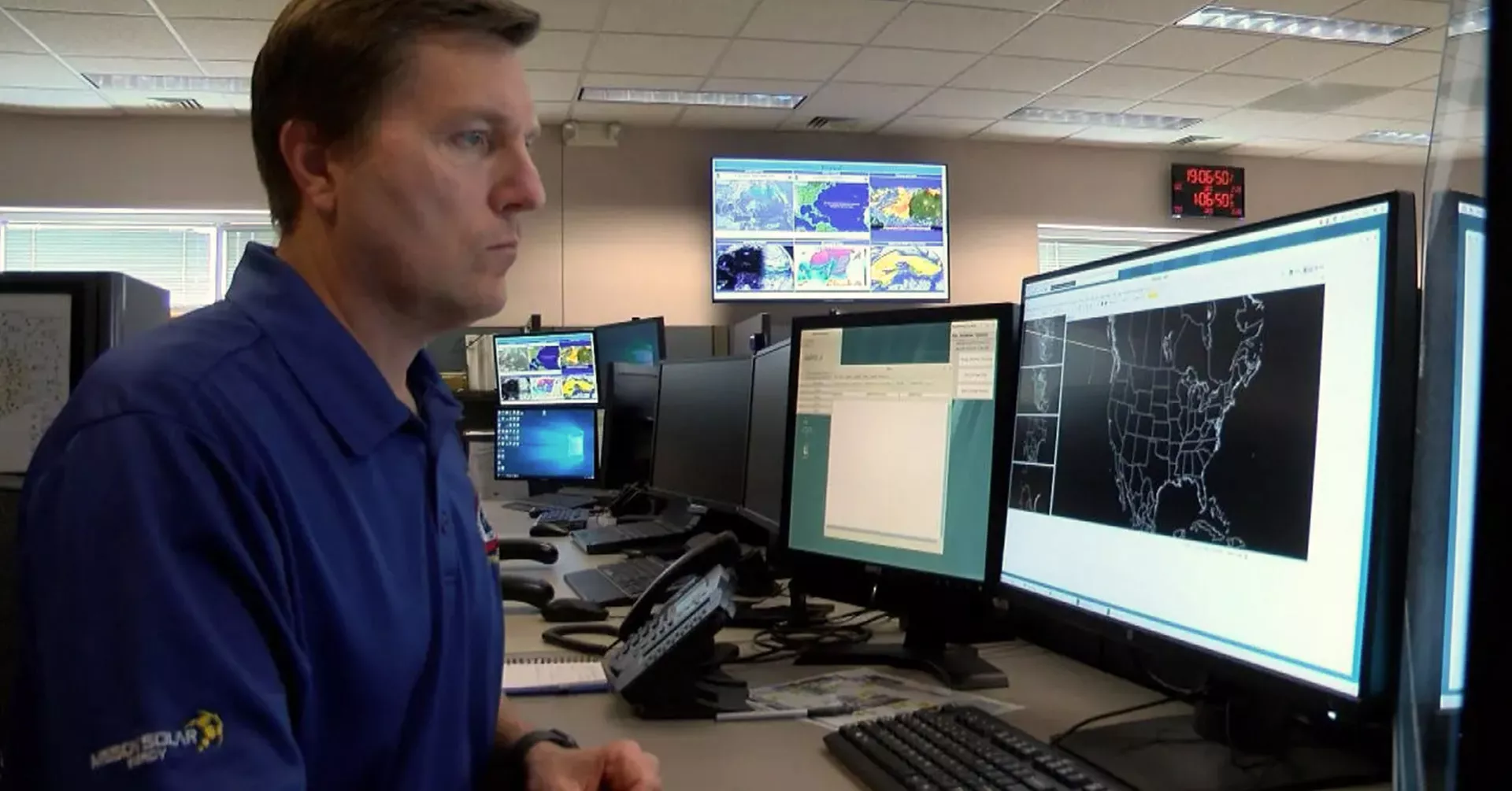
In part one of our two-part series on extreme heat, Paul Yura, Warning Coordination Meteorologist at the National Weather Service, shares significant heat trends throughout the U.S. and how organizations can prepare their people and property.
Listen to our conversation with Paul to learn about:
- Tips to keep employees safe during heat waves
- The impacts of extreme heat on infrastructure
- Early and immediate symptoms of heat-related illnesses
- Why organizations should develop and implement extreme heat plans and trainings
The Employee Safety Podcast is hosted by Peter Steinfeld, SVP of Safety Solutions at AlertMedia.
You can find this interview and many more by following The Employee Safety Podcast on Apple Podcasts, Spotify, or subscribing here.
More Episodes You May Be Interested In
-
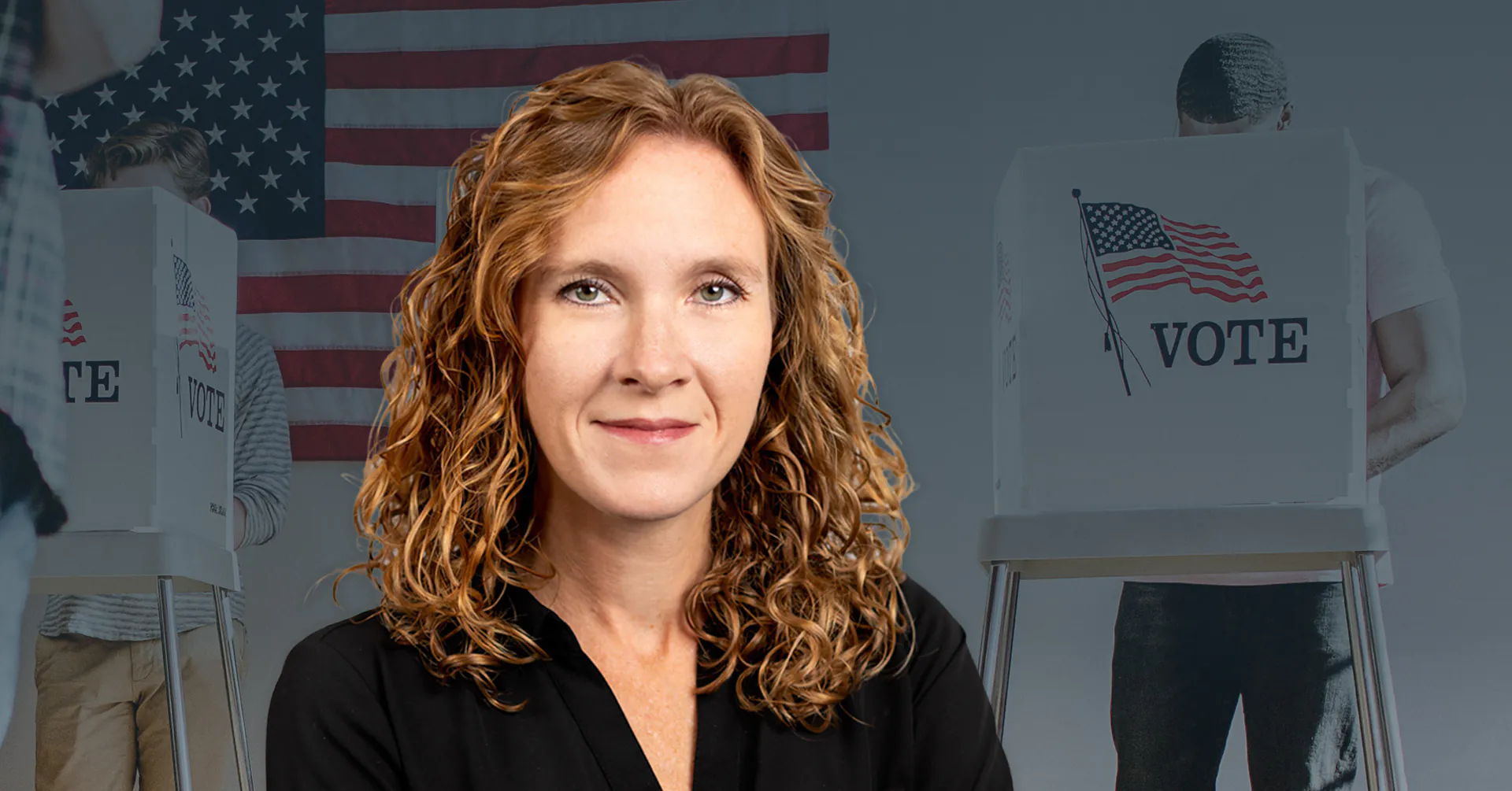
 2026 U.S. Midterm Elections: Key Risks for Organizations
The 2026 U.S. midterm elections are approaching, and with them come a multitude of potential threats that could impact organizations throughout the election cycle. Sara Pratley, SVP of Global Intelligence at AlertMedia, breaks down the election-related risks her team of analysts are tracking, and shares practical steps leaders can take to protect their people and…
-
 How to Build Your Security Team’s Internal Brand
Robby Dunn-Bernstein, Head of Global Safety, Security, and Intelligence at a major technology company, believes a strong internal brand can help security teams earn greater influence and become more valuable partners to the business. Robby shares how his team built that brand around being innovative, trusted, and reliable. To strengthen security’s brand across the business,…
-
 Lessons From a 30-Year Career in Business Resilience
Think of business resilience like a rubber band. The goal is to build an organization that can stretch when disruption hits without breaking or losing its shape. After three decades working in emergency response and business resilience, Andy Lapierre knows what makes that flexibility possible. In this conversation, Andy explores what separates organizations that react…