2026 U.S. Midterm Elections: Key Risks for Organizations
The 2026 U.S. midterm elections are approaching, and with them come a multitude of potential threats that could impact organizations throughout the election cycle.
Sara Pratley, SVP of Global Intelligence at AlertMedia, breaks down the election-related risks her team of analysts are tracking, and shares practical steps leaders can take to protect their people and operations.
Key risks Sara discusses:
- Election-related demonstrations and political violence that could disrupt business operations
- AI-generated misinformation and disinformation that may influence employees, customers, and communities
- Cyber threats targeting election infrastructure, organizations, and critical services
- Closely contested or disputed races that could extend uncertainty and disruption beyond election day
For more insights, download AlertMedia’s 2026 U.S. Midterm Elections Situation Report here.
Transcript
(Automatically transcribed)Peter Steinfeld: The 2026 U.S. midterm elections are approaching, but the risks for organizations extend well beyond Election Day. My friend and colleague Sara Pratley, Senior Vice President of Global Intelligence at AlertMedia, is back to break down what her team is watching and how business leaders can prepare for potential disruption before, during, and after the vote.
Hey, Sara, thanks for being here.
Sara Pratley: Hi, Peter. Thanks for having me back on the show.
Peter Steinfeld: Your team’s been doing a lot of work to prepare organizations for the U.S. midterms. For listeners who may not be familiar, can you briefly describe the Global Intelligence Team and the work they do?
Sara Pratley: Yeah, absolutely. So really, the core focus and goal of the Global Intelligence Team is to help the organizations that we support globally identify and understand emerging threats so that they can stay informed and make informed decisions about both the safety of their people and, of course, business operations.
The team is constantly monitoring what’s happening around the world, sifting through the noise, verifying information, and providing the context that organizations need to understand the threat landscape and the events that could impact their people and their businesses.
So, as you would absolutely expect, the midterms will be, and really already are, a huge focus for us — an important focus for the team for the coming weeks, and even after Election Day. We’ve been very closely monitoring what we’re considering a very evolutionary threat environment, looking at the risks that could affect organizations before, during, and after Election Day. And all of that work has been informed and reported out through our 2026 US Midterm Election Situation Report as well.
We’re looking at a multidimensional risk landscape at this point when it comes to election season — everything from demonstration activity to the potential for political violence, disputes around the election process, cybersecurity, AI, and so much more.
So obviously we know security, business continuity, and resiliency teams right now are asking the question: what does this mean for my people and my operations? That’s absolutely what we’re working to support, and I know it’s a big topic for us today.
Peter Steinfeld: Yeah, yeah, there’s a lot going on. It’s a very fluid situation. And we were actually here together for a similar conversation before the US presidential election in 2024, talking about how election-related threats can impact organizations. What feels different about the risk environment heading into these particular midterms?
Sara Pratley: I think the honest answer is that some things definitely feel different and are different, but we’re also seeing a lot of the same themes that we were watching back in 2024.
Obviously, the biggest difference is that the Presidency isn’t up for grabs. Still, a tremendous amount is at stake, though. Voters are electing the entire House of Representatives, 35 senators, three dozen governors, and thousands of local officials in different positions. And then, of course, there’s a ton of attention right now as to which party will control Congress after Election Day.
So while the national focus may be a little different, I would say the scale and geographical spread of the elections creates this really broad risk environment that I know businesses are particularly interested in, especially because of the dispersion of a lot of our locations and employees.
I would also note that when we’re layering that election activity onto the issues that are already generating things like demonstrations and heightened tensions over the last several months, that’s another thing that’s a little different this time around — maybe from a topical perspective. Things like immigration enforcement, the economy — of course, a huge topic of conversation for most people across the United States — foreign conflicts, tech and AI. All of these things sit at kind of a core focus when we think about the election.
Really notably, I would say a big difference right now is just the information environment. It has evolved tremendously since the last time around, particularly when you think about the accessibility of things like AI-generated content and the potential for myths and disinformation to spread very quickly.
So I wouldn’t necessarily say the risk environment is completely different from a few years ago, but what I would say is we’re seeing many of the same underlying themes playing out across a very different election landscape. That’s definitely something organizations writ large should keep in mind, especially as you’re thinking about your ecosystem — where your people, your assets, and your facilities are.
And you know, Peter, I recognize there are so many different terms that we use, so maybe this is a good time to help redefine misinformation and disinformation, too. Misinformation is really false or inaccurate information that’s shared without the intent to deceive — sharing information that you don’t know is maybe false or misleading — whereas disinformation is very deliberately sharing false content that’s created to mislead or manipulate or influence perception. And obviously, all of those things are very much directed toward elections in many circumstances.
Peter Steinfeld: You mentioned demonstrations, which seem to have been, and continue to be, a persistent risk category in recent years. What could cause that activity to intensify as we get closer to November?
Sara Pratley: Yeah, I think one of the important things to understand right now is that election-related demonstrations aren’t starting from zero. We’ve already seen a number of issues generating protest activity around the United States over the past several months, and really since the beginning of this year, and prior to that too. I would definitely say immigration enforcement has been one of the most significant drivers of unrest, especially with a lot of friction with the current administration.
We’re also watching the economy and cost of living. That’s a huge focus and cause for concern, and something that’s definitely being incorporated into this election cycle, especially as we think about things like the conflict with Iran, a lot of concerns over artificial intelligence and data centers, and even automated license plate readers and surveillance. These are all things that are generating not only a lot of conversation when it comes to the elections, but also a lot of demonstrations already. And as candidates increasingly campaign around these very issues and topics, these existing movements are intersecting with the election activity and the election cycle.
We’ve also seen some of the established groups that we continuously track on our team already signaling a lot of activity ahead of November and Election Day — the 50501 movement and another group called Indivisible. Some people are probably very familiar with them. They’ve both indicated that they plan to stage additional demonstration activity. And we’ve seen the No Kings demonstrations, which have produced some of the largest single-day protests in American history, so that’s something to take note of as well. We’ve had a lot of those demonstrations and campaigns over the past year.
As we think about a lot of these demonstrations, they’ve been largely peaceful — thousands of locations, millions of people — and really these have demonstrated more of a business continuity challenge. In these circumstances, with mass gatherings, it’s a lot of people, potential for road closures, transportation disruptions, and maybe restricted access to our buildings or facilities.
A really good takeaway here is that as we think about demonstration activity, we are already seeing this and we do expect it to continue, and it’s not necessarily going to be centralized in one or just a handful of locations. We’re not going to see just Washington, D.C. with demonstration activity — this is something we will continue to see take hold across the entirety of the landscape as we lead up to Election Day, and potentially even beyond.
Peter Steinfeld: Well, yeah. With so many races happening across the country, are there particular places or types of locations where organizations should be paying closer attention?
Sara Pratley: The first thing I would say is that the risk picture is going to vary considerably by location. Our Situation Report assessment identifies many states where races are very closely contested, so those are, of course, places we’re keeping an eye on — places like Georgia, Maine, Michigan, Ohio, and Texas, just to name a few. Races in those states can attract high-profile campaign events, demonstrations, and counter-demonstrations.
But that said, I think organizations should think beyond just a list of states when it comes to locations and sites to pay attention to. There are polling places — thousands of those across the country — campaign events themselves, election offices, and vote-counting facilities. Those have been focal points in elections of the past. Government buildings and planned demonstrations are a no-brainer when we know these events are happening — those are obviously things to take particular note of.
And honestly, sometimes it’s not even the location that changes the risk picture — sometimes it’s who’s going to be at the location or the event. It’s important to note that high-profile, controversial political figures can significantly change the security landscape at a location that might otherwise be a routine event. We’ve definitely seen this in the past with the president and senior administration officials, as well as congressional figures or representatives — they can have the impact of changing that security and threat landscape.
So I think, again, for organizations, a practical question to ask in these scenarios is: where are my people, where are my facilities, where are my travelers, and what election-related activity is or could be occurring around them? And note that this is going to be dynamic — the landscape will continue to change. We’re going to see more events pop up on the calendar as we get closer to Election Day, which will generate more buzz but also create a very dynamic risk landscape for all of us.
Peter Steinfeld: Your team is also watching disputes over how the election itself is administered. What could those disputes mean for organizations that aren’t directly involved in the election?
Sara Pratley: This is definitely one of the more complicated parts of the environment we’re watching right now — it’s very fluid. There are growing tensions between the federal government and some states, and state and local officials, over how the election should be administered and even monitored. We’re seeing everything from conversations around federal election observers, voter rolls, and eligibility, to mail-in ballots — a huge one — and voter ID requirements. The federal government at this point is also planning to deploy a thousand poll monitors, and we definitely see the tension there. Some state and local governments have already pushed back against this — Minnesota, New Mexico, and I know there have been issues in Connecticut as well. So those are things we’re taking specific note of.
For businesses, the concern isn’t necessarily that they’re directly involved in those disputes, because they really aren’t — it’s really what can happen around them. So, for example, changes to voting rules could generate confusion and frustration among some voters. Our Situation Report actually had a really great and timely example that focused on Texas, where more than a million registered voters were identified as potentially being unable to vote unless they took action and reconfirmed their addresses before an October deadline. So as we get closer to Election Day, we could see this potential for uncertainty. Public anger and uncertainty itself can really increase tension and create operational challenges across the entirety of the business landscape.
Peter Steinfeld: Yeah. And that can lead to violence — political violence is another major concern in the report. How has that threat evolved over time?
Sara Pratley: Yeah, political violence is absolutely a valid concern — it’s one of those very serious risks that we’re all monitoring. I think it’s important to flag that we’re not necessarily expecting widespread or large-scale political violence across the country. The more relevant concern for organizations is that isolated incidents can still have significant consequences, especially when they happen at campaign events, polling locations, or other places where employees could be at or near public places that their businesses or organization could have ties to.
And this risk isn’t necessarily limited to the highest-profile candidates or political figures. We’ve seen threats of violence directed toward national figures and state and local officials. The report does a really good job of helping us remember some of the examples: of course, President Trump has faced assassination attempts. In 2025, we had Minnesota State Senator Melissa Hortman and her husband, who were killed in a politically motivated attack. Senator Bernie Sanders, Representative Alexandria Ocasio-Cortez, and Pennsylvania Governor Josh Shapiro have all faced politically motivated threats. We’re seeing evidence that hostility toward public officials remains elevated.
There’s some really good data too that I wanted to point out — it’s in the report from a 2026 Princeton Review survey. It found that 54% of public officials surveyed had experienced at least one hostile incident, and women, minority officials, and newer officeholders all reported higher levels of hostility. So this isn’t simply a candidate security issue. From an organizational perspective, it’s about understanding whether your people, your facilities, and your travelers could potentially become caught up in some of these targets, depending on the situation — depending on acts of violence or threats against these public officials. So I do think it’s important for all of us to have that on the radar as we continue trending toward Election Day.
Peter Steinfeld: Switching gears a bit, how should business leaders think about cyber risk during this election?
Sara Pratley: Yeah, look, when it comes to cyber, I think it’s important to understand that election-related cyber risks go beyond someone actually compromising the voting process. One concern is disruption of digital services that people rely on for election information.
Another thing directly from the report that I wanted to share — this is something we’ve talked about in the past — ahead of the 2024 election, the FBI and CISA warned that things like distributed denial-of-service attacks could hinder access to election information without actually impacting the security or integrity of the voting process. So it’s really important for us to remember that a cyber incident doesn’t necessarily have to change a vote to have an impact. If people suddenly can’t access, say, an election website or some other form of official information, that in and of itself can create confusion and undermine confidence.
We’ve also seen cyber-enabled activity used to impersonate trusted institutions. Again, going back to 2024, the FBI warned about fabricated videos that falsely claimed to be from the FBI, making false claims about election security. And then I think one of the other important things the report highlights is the reduction of federal election cybersecurity support to state and local governments — I think that’s just an important note as we’re in this environment.
And then one other thing is that organizations themselves can absolutely become part of this threat environment. We think about the vote, we think about a lot of the people and politicians involved, but if your business, your executives, or your brand are somehow associated with politically sensitive issues or candidates, that’s something you’re going to want to stay aware of as well.
Peter Steinfeld: Well, AI has certainly advanced considerably in recent years, making it easier for bad actors to do bad things. So how does that change the challenge of misinformation and disinformation this time around?
Sara Pratley: Yeah, you’re spot on — it has changed things tremendously, both in the sense of the quality of synthetic information and access to it, and how quickly it can spread. Images, video, and audio can increasingly be created and manipulated in ways that look incredibly convincing. We’re seeing this more and more, and sadly, that really lowers the barrier to creating false information and potentially allows misleading narratives to spread very quickly.
There’s another good example I wanted to highlight from a Minnesota primary that happened not too long ago. We had Lieutenant Governor Peggy Flanagan, who actually accused a super PAC of distributing an AI-generated deepfake image of her during the campaign. She wasn’t actually able to pursue any sort of legal remedy — things are moving really quickly, and in Minnesota, the law only covers deepfakes distributed under certain circumstances, including within 90 days of the election. So we’re seeing these things, and I think we’re going to continue to see law and policy catch up with this. She ultimately won her race, but the example really helps illustrate how quickly the technology has changed compared with how quickly we’re able to continue to change and respond to it as a society.
For organizations, I think this is also really a good, constant reminder and example of how things like this can impact businesses directly if you, your business, or your people are targeted. It’s also just a really strong reminder of the importance of verifying information. We all have to ask questions about the validity of the information and content we’re seeing. Our team obviously spends a lot of time in this information space surfacing threats and events, and this is one of the biggest things the team is faced with right now as well — this reminder of having a source of trust, or sources of trust, and making sure you’re verifying information, the credibility of information and sources, and really how quickly this environment is changing. We have to question everything.
Peter Steinfeld: Yeah, it seems like it’s just good practice to slow down and take a beat. If you see something, don’t react to it immediately — take a second and think it through.
Sara Pratley: Absolutely.
Peter Steinfeld: Well, people often think of Election Day as the finish line — November 3rd. Actually, the period when organizations should be…
Sara Pratley: …most concerned, it is not. I definitely wouldn’t think about November 3rd as a single day, a finish line, per se. I think about this as more of an election period, and in some ways it’s honestly similar to watching a storm. There’s the environment developing beforehand, then there’s the event itself, and then of course there’s the aftermath — what happens after Election Day.
So right now we’re very much in this developing phase still — the lead-up to things, all of the events and their impacts that we’ve already discussed, plus lots of campaign activity and appearances. But as we get closer to Election Day, that activity is all going to continue to increase. A lot of the things we’ve talked about with demonstrations and this whole security environment — Election Day itself could bring everything from localized demonstrations to heightened security and traffic impacts, so remember, again, all of those main locations.
But really, as we think about this not being the final day, it definitely could pose a prolonged risk environment depending on a number of different circumstances. We could see closely contested or even disputed races that would prolong uncertainty, and potential changes involving election procedures or results that might create new flashpoints, some of which could prompt things like demonstrations. So I think we can’t necessarily count on November 3rd being the end of this election cycle — preparedness shouldn’t automatically switch off when the end of the day hits.
Peter Steinfeld: I love the analogy — it’s a great visual. Let’s just hope it remains a mild storm and doesn’t transform into a hurricane.
Sara Pratley: Let’s certainly hope so.
Peter Steinfeld: Well, for leaders who haven’t started preparing yet, what are the most important things they can do between now and Election Day?
Sara Pratley: We’re still weeks away, but honestly, if you haven’t started preparing, now is absolutely the time. Even if you have started preparing, there’s a lot to continue thinking about because it’s such a dynamic risk environment and things will continue to evolve and change.
First, absolutely understand your exposure — where are your employees, your facilities, your travelers, and all of your critical operations in relation to election-related activity? We’ve noted this a few times, but it’s worth repeating: understand your ecosystem and the election landscape.
Second, keep monitoring. Once you understand how your organization intersects with this landscape, you can’t just say, “okay, I’m done, I’ve checked the box.” Things will continue to evolve — more events will jump onto the calendar, more demonstrations, more flashpoints — all of those things could continue to shift and evolve.
The other thing I would say is we can’t just think about this through scenarios — what could change the operating environment, what could trigger a different response? I think there’s a lot of agility teams need to exert right now, thinking about what could change their posture if a certain event happens: would you recommend to the business that employees work from home, or that you have a different security profile because you’ve seen activity ticking up, or because there’s an event or location near you?
And throughout it all, make sure your workers have verified information and understand where that information is coming from. We talk about trust a lot, and the trust employees have in their business and their business leaders. So share information now as you’re seeing things, and help employees understand how the election cycle could impact your preparedness and where their information should be coming from as they’re getting updates.
And then lastly, don’t stand down after Election Day is over. There are many things that could still be in flux, and it’s important for all of us to remember that it’s not a very crisp finish line. We all need to continue to think about how this could potentially trail out for days, or potentially weeks — hopefully not months. But those are the things I’d say are probably a strong checklist to start going through right now.
Peter Steinfeld: Sara, thanks so much for being on the show again. So much great insight and advice, and your team is just awesome.
Sara Pratley: Thanks, Peter. It’s great to be here, as always, to share such incredibly important information with the audience.
Peter Steinfeld: Absolutely. And to learn more about the risks surrounding the 2026 U.S. midterm elections and how your organization can prepare, please do download the full situation report in the episode description. You can also watch video highlights on AlertMedia’s YouTube channel. Stay safe out there.
Outro: Thank you for listening to The Employee Safety Podcast from AlertMedia, the world’s leading provider of risk intelligence and response solutions. To learn more about how to protect your people and business during critical incidents, visit alertmedia.com.


More Episodes You May Be Interested In
-

 Detect Emerging Threats With Social Intelligence
Most security teams know early warning signs of emerging threats can appear online. The challenge is finding credible intelligence amidst millions of posts spanning an increasingly fractured social media landscape. AlertMedia recently expanded its Social Intelligence solution with new enhancements designed to improve visibility, streamline analysis, and help organizations identify risks before they escalate. In…
-
 Intelligence-Led Security in an Age of Information Overload
Having more intelligence does not guarantee better security decisions. Mike Evans, Director of the Risk Intelligence Center at Securitas Risk Intelligence, explains why organizations often struggle to turn growing volumes of threat data into meaningful action. Mike shares how intelligence-led security helps organizations move from reactive reporting to proactive decision-making. He also explains why context,…
-
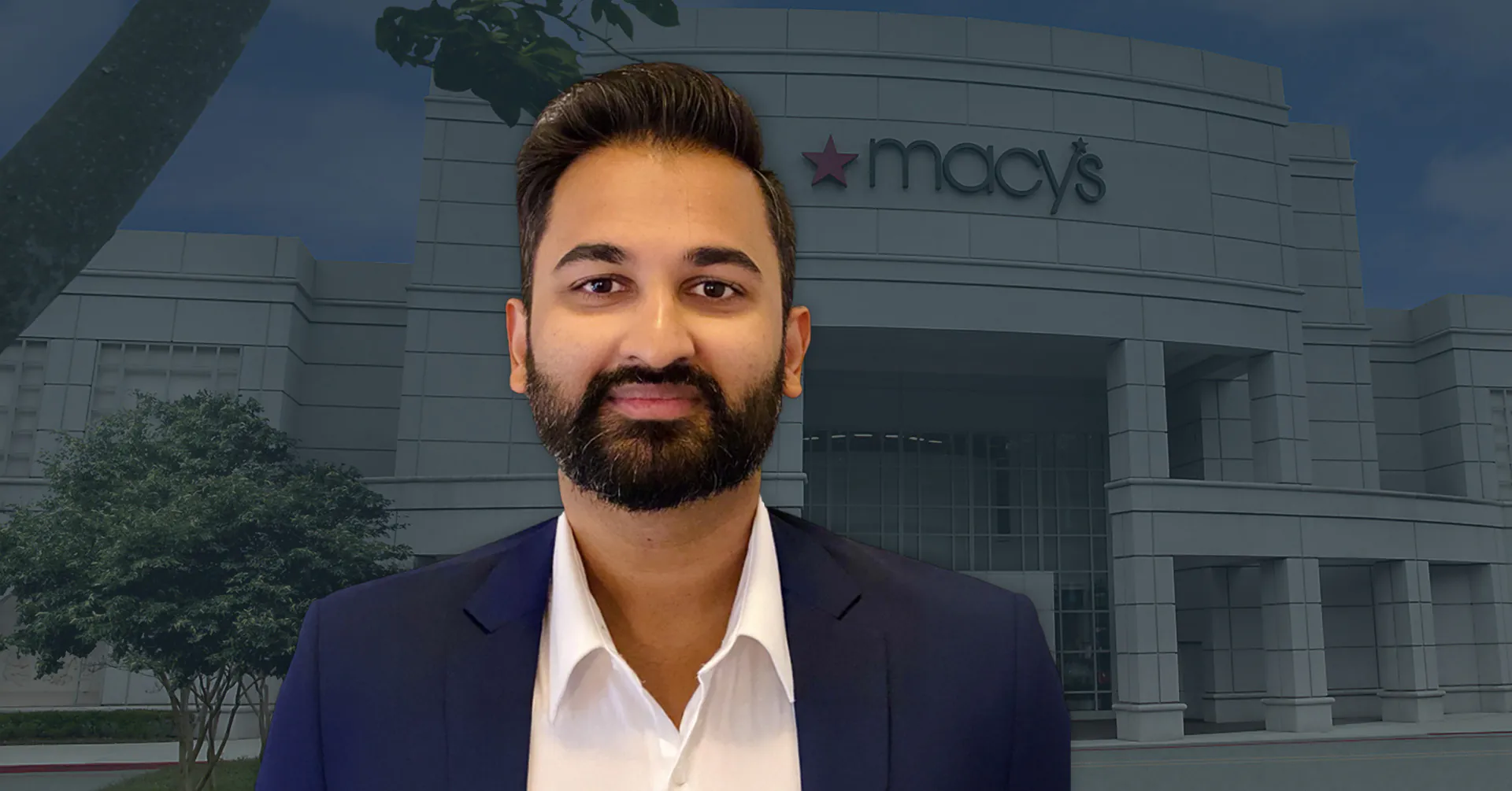 How Macy’s, Inc. Executes Crisis Management at Scale
What does crisis management look like when you’re responsible for over 90,000 employees across hundreds of locations? At Macy’s, Inc., there’s no one-size-fits-all response. Vamsi Revuru, Lead for Enterprise Resiliency and Crisis Management, shares how his team navigates fast-moving incidents and large-scale disruptions. He explains how Macy’s executes crisis management in real time, where centralized…