
Safety Leadership for the Hybrid Workforce
Today’s hybrid work environment has altered the traditional employee-manager relationship. Leaders can no longer rely on in-person interactions to know how their employees are feeling and performing in their roles.
How are great safety leaders adapting to ensure a physically and psychologically safe work environment for their people?
Michael Teape, Owner and Lead Training Consultant at Teape Training International explains:
- The most important skills a safety leader should develop to effectively lead a hybrid workforce
- Why emotional intelligence and empathy can be more important than strategy and processes when managing employees
- Applying the SCARF model to stimulate meaningful conversations with your direct reports
- How over-communicating can help you identify and support employee needs
The Employee Safety Podcast is hosted by Peter Steinfeld, SVP of Safety Solutions at AlertMedia.
You can find this interview and many more by subscribing to The Employee Safety Podcast on Apple Podcasts, Spotify, or here.

More Episodes You May Be Interested In
-

 Detect Emerging Threats With Social Intelligence
Most security teams know early warning signs of emerging threats can appear online. The challenge is finding credible intelligence amidst millions of posts spanning an increasingly fractured social media landscape. AlertMedia recently expanded its Social Intelligence solution with new enhancements designed to improve visibility, streamline analysis, and help organizations identify risks before they escalate. In…
-
 Understanding Your Organization’s Climate Risk Exposure
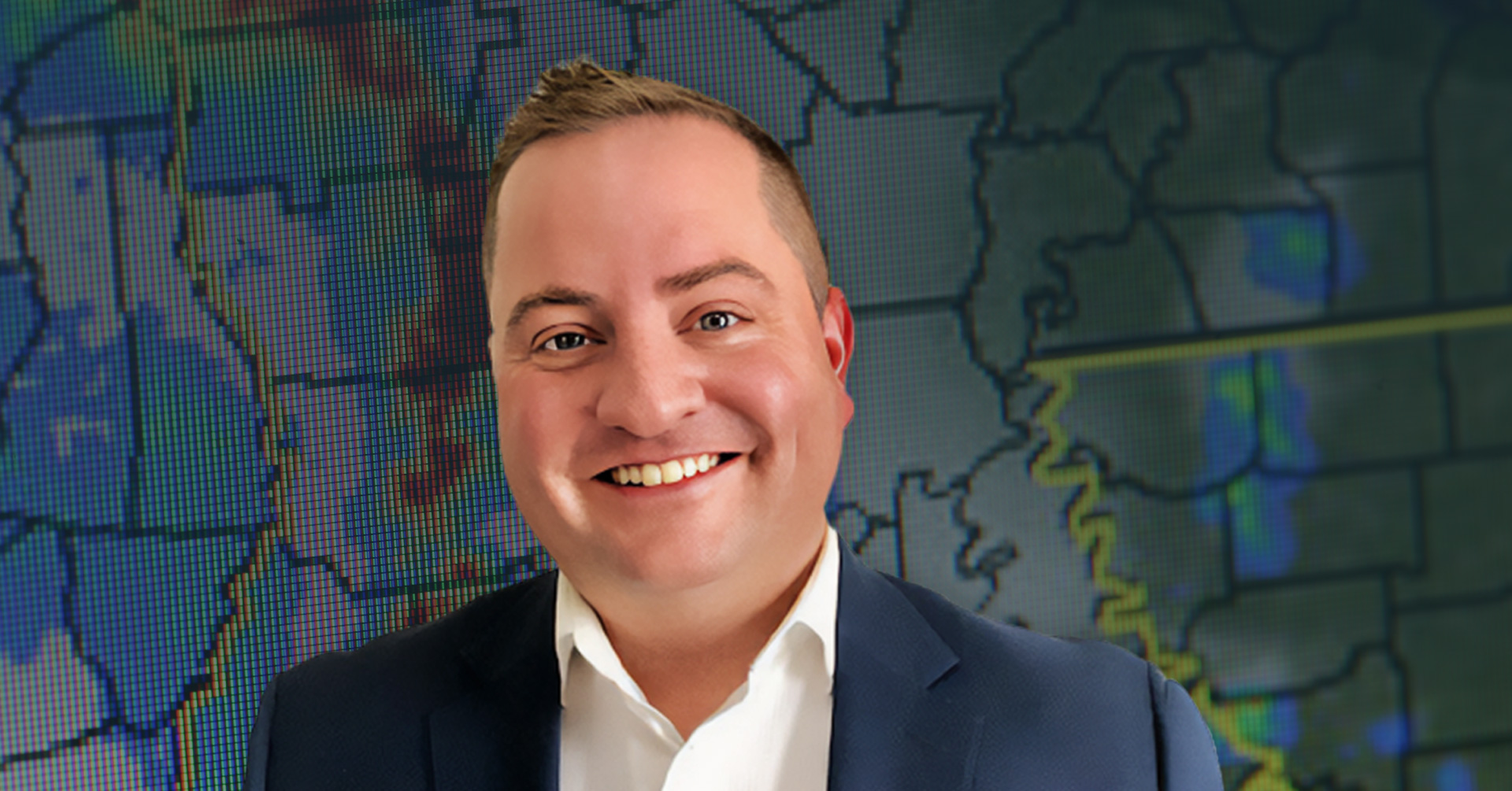
Most organizations understand climate risks. Few know how to measure them. Jay Dunne has spent his career helping organizations understand and respond to complex risks across security operations, crisis response, and strategic intelligence. In this episode, Jay shares how intelligence, data, and collaboration can help organizations better understand their risk exposure to climate-driven disruptions. Episode…
-
 OSAC’s Blueprint for Global Security Collaboration
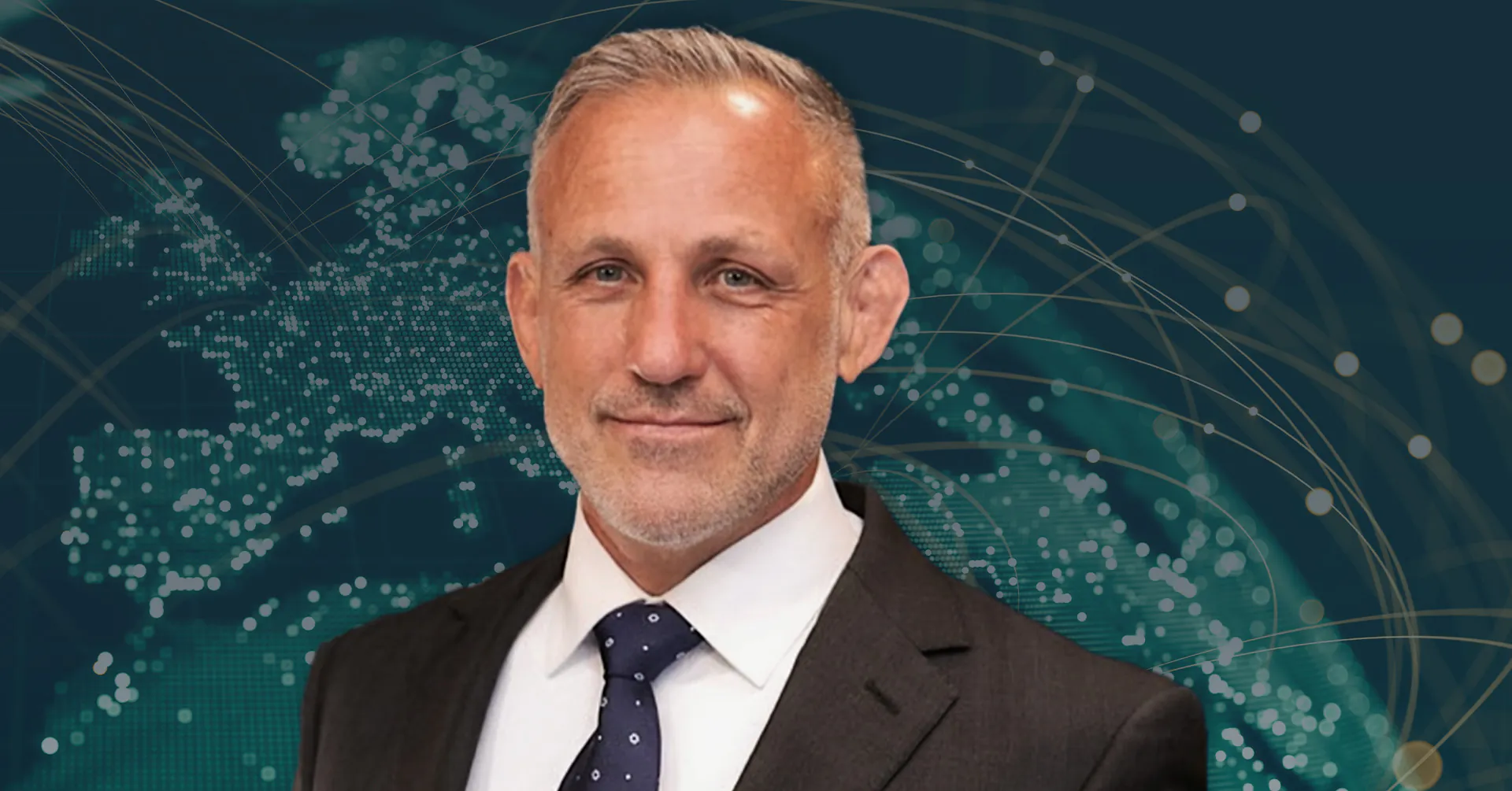
Security threats don’t respect borders, industries, or organizational charts. That’s why for the past 40 years, OSAC has connected government agencies and security professionals from U.S. private-sector organizations operating abroad to share intelligence, strengthen preparedness, and help organizations operate safely around the world. What began as a small advisory council—established by the U.S. Department of…