
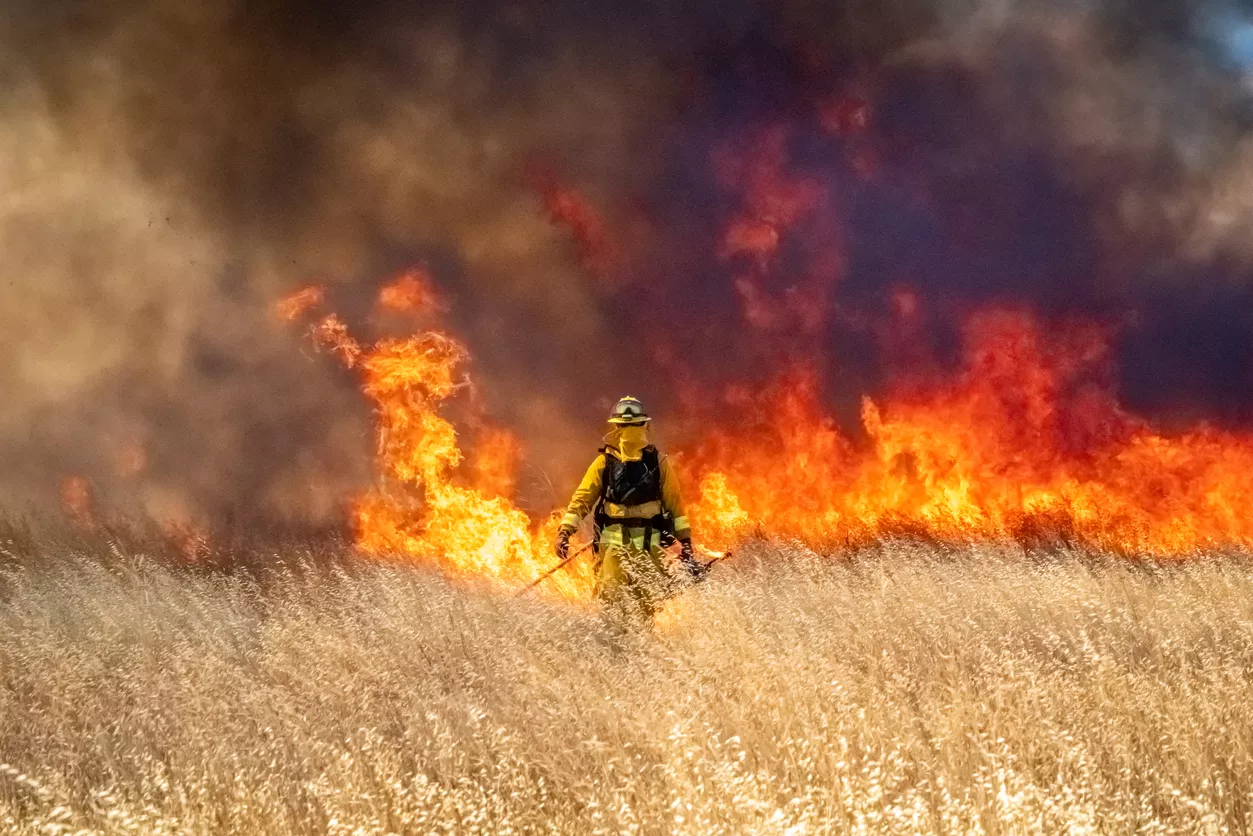
Emergency Preparedness: Lifesaving Lessons From a Wildfire Study
Researching emergencies from the past can lead to lifesaving insights for the future.
In this episode, Peter speaks with Alexander Maranghides, Fire Protection Engineer at the National Institute of Standards and Technology (NIST), about his recent study of the Camp Fire, California’s deadliest and most destructive wildfire that occurred in 2018. They discuss:
- Why Alexander’s team chose to study this particular wildfire
- The five factors that made it so devastating
- How the data from the report is guiding lifesaving research and emergency preparedness efforts
Read NIST’s Case Study of the Camp Fire here.
The Employee Safety Podcast is hosted by Peter Steinfeld, SVP of Safety Solutions at AlertMedia.
You can find this interview and many more by subscribing to The Employee Safety Podcast on Apple Podcasts, Spotify, or here.
More Episodes You May Be Interested In
-

 Rethinking Workplace Violence Prevention in Healthcare
Healthcare consistently ranks among the highest-risk industries for workplace violence, raising the stakes for how organizations protect caregivers and patients. Eric Sean Clay, Vice President and Chief Security Officer at FMOL Health, is helping one of Louisiana and Mississippi’s largest health systems meet that challenge. Eric shares how FMOL Health is investing in prevention and…
-
 2026 U.S. Midterm Elections: Key Risks for Organizations
The 2026 U.S. midterm elections are approaching, and with them come a multitude of potential threats that could impact organizations throughout the election cycle. Sara Pratley, SVP of Global Intelligence at AlertMedia, breaks down the election-related risks her team of analysts are tracking, and shares practical steps leaders can take to protect their people and…
-
 How to Build Your Security Team’s Internal Brand
Robby Dunn-Bernstein, Head of Global Safety, Security, and Intelligence at a major technology company, believes a strong internal brand can help security teams earn greater influence and become more valuable partners to the business. Robby shares how his team built that brand around being innovative, trusted, and reliable. To strengthen security’s brand across the business,…