Twilio Modernizes Duty of Care for a Global, Remote-First Workforce

 AwarenessUses analyst-verified, open source intelligence to give Twilio’s GSOC early, reliable insight into emerging risks.
 SpeedAccelerates how quickly Twilio can move from identifying a threat to alerting employees, improving response time and safety.
 PrecisionMaps workforce location data to unfolding risks, enabling the GSOC to identify who may be impacted and tailor notifications.
 TrustDelivers reliable, timely alerts that employees can rely on, building confidence across a distributed workforce.
- IndustrySoftware
- LocationsRemote-first
- Employees5,500
- ProductsThreat Intelligence, Emergency Communication Software
- Primary UsesEmergency, Business Continuity, Operations, IT Outages, Inclement Weather

Advancing Security Awareness Across a Distributed Workforce
Founded in 2008, Twilio created the customer engagement platform used by nearly 350,000 companies to build personalized experiences for their customers. As the company grew and adopted a remote-first work policy, it needed that same focus internally to keep people connected, informed, and safe. With 5,500 employees—known as Twilions—spread across home offices, corporate hubs in five countries, and thousands of coworking spaces, the workforce became increasingly distributed. That made it harder to see where people were, understand what risks might affect them, and reach them quickly during critical events.
Shelley Benoliel, Senior Director of Corporate Safety & Security, joined Twilio in 2024 to strengthen the company’s safety and security program and align it with the company’s remote work model. “The world is now our workplace,” she explains. “We had to widen our aperture and rethink traditional duty-of-care models.” A major priority for her team was also improving “security literacy”—helping employees understand the “why” behind safety and security practices so they stay engaged, attentive, and confident in the guidance they receive.
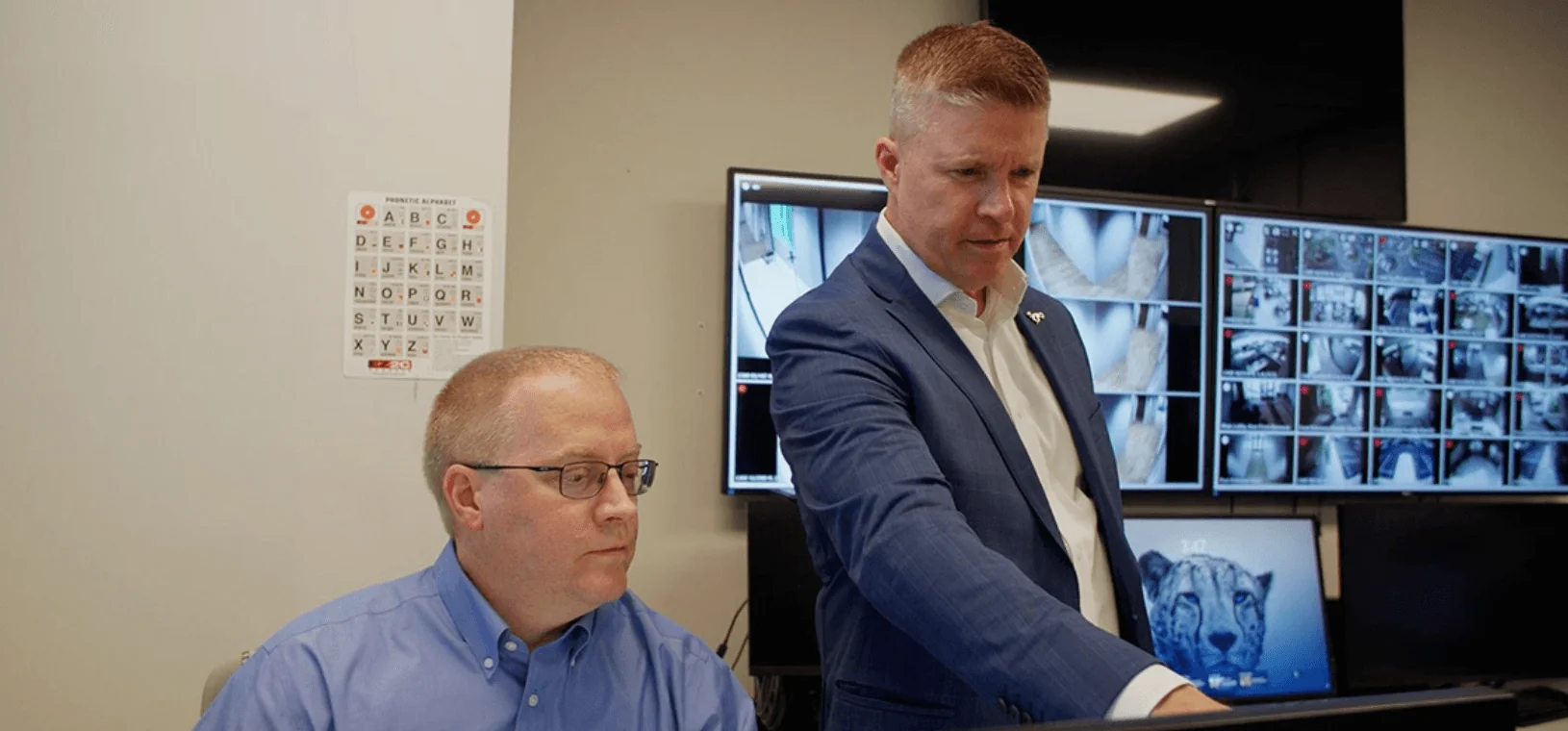
AlertMedia now provides the foundation for that strategy. Analyst-verified Threat Intelligence and Emergency Communication live in one tool, giving Twilio’s 24/7 Global Security Operations Center (GSOC) early insight into emerging risks. The team can match threats to real-time employee locations, tailor messages for different audiences, and reach people faster. With AlertMedia, Twilio has expanded its duty of care, improved situational awareness, and enhanced its support for employees, regardless of where they log in.
Staying Ahead of Emerging Risks Across Thousands of Work Environments
With Twilions working from home, coworking spaces, and corporate offices, the GSOC needed a clear, continuously updated view of employees’ potential exposure to risk. The GSOC monitored a diverse range of global safety and security indicators, but these signals were scattered across multiple systems. With thousands of people in so many environments, even basic questions like who might be affected by an incident required time-consuming manual effort. It also increased the chance that quickly developing situations could slip through the cracks.
Extensive international employee travel, off-site team meetings, and corporate events all added more complexity to threat monitoring. Twilio’s employees often move through regions with very different risk profiles, and the GSOC serves as what Benoliel calls “the unblinking eye” for the company. To support employees on the move, the team needed meaningful, timely intelligence that could surface developing threats—from severe weather to civil unrest—and give employees the information they need to stay safe.
Communicating about threats requires just as much care as identifying them. Twilio’s culture is built on trust, and every alert must be clear, relevant, and considerate of how different audiences might interpret it. “Within the same audience, some may see a notification as helpful where others see it as an annoyance,” says Benoliel. “A notification with too much information can erode trust as much as one that lacks information. Understanding different audiences and being able to tailor our safety communications is critical to maintaining trust and attention.”
Benoliel also knew that protecting employees meant more than pushing out alerts. People needed context to understand why a notification mattered and what to do next. To support such a distributed workforce, Twilio needed a proactive approach to detecting threats, understanding their impact, and communicating in a way people could trust.
Strengthening GSOC Operations With Integrated Threat Intelligence and Communication
Twilio turned to AlertMedia to give the GSOC one place to track emerging threats and manage response efforts. “We chose AlertMedia as our primary risk intelligence and emergency communication platform because it helps us identify potential impact or business disruption as early as possible,” explains Benoliel. “It also gives us a way to streamline critical response and communication, minimizing impact to our people, assets, and operations.”
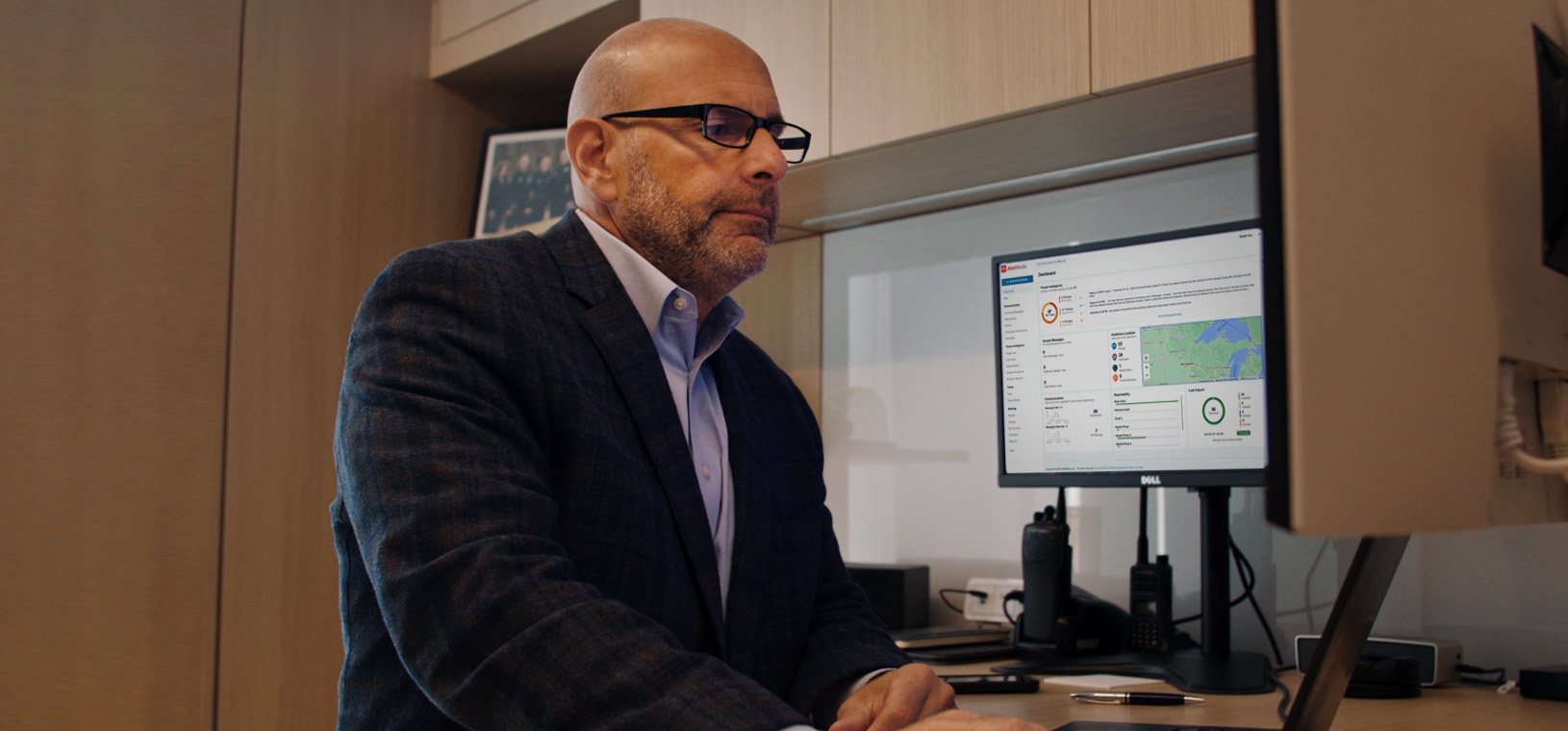
AlertMedia’s Live Intelligence Feed provides a steady stream of analyst-verified intelligence that the GSOC can quickly act on. At the same time, Situation Reports help the team understand which incidents require closer attention or a more formal response. For weather-driven events such as hurricanes and wildfires, the radar overlay has become particularly useful. “One of my favorite AlertMedia tools is the live radar overlay, which provides an amazing view of potential or direct impact based on the path of a storm,” says Benoliel. “Our GSOC can really dial in our monitoring and plan accordingly.”
With integrated Emergency Communication capabilities, the GSOC can segment and tailor threat notifications by location, travel status, role, or function. Multichannel capabilities ensure people receive messages in the way that works best for them, whether text, email, WhatsApp, voice, or the mobile app. This allows the team to respect the varying communication preferences and habits of Twilio’s global workforce while ensuring urgent messages get through. The GSOC also uses AlertMedia to conduct wellness check surveys following critical incidents, giving employees a quick way to confirm their safety or request support.
Twilio has expanded its use of AlertMedia to support planned and unplanned operational disruptions, including utility outages, transportation issues, and other events that benefit from timely communication.
Building Employee Trust With a Proactive Approach to Risk Management
Twilio’s GSOC can now identify emerging threats more quickly and respond with greater precision. “AlertMedia’s open source intelligence monitoring capabilities provide us with actionable Threat Intelligence that’s become essential to the mitigation of threats facing Twilions and Twilio assets around the globe,” says Benoliel. “Having intel and communication in one place gives us the speed-to-notification we need—fewer clicks, fewer chair turns, and a far faster path from detection to action.”
AlertMedia has also helped Twilio reduce tech debt by replacing several tools with a single dependable channel for urgent communication. The company is now exploring the use of AlertMedia as a backup communication system for other internal teams as an immediate fallback during outages or internal system failures, strengthening business continuity and increasing the overall value of the platform.
For employees, the biggest impact has been a stronger sense of trust. More precise targeting and better context have made alerts feel useful rather than disruptive. Internal teams around the world have praised the GSOC’s thoughtful approach to emergency communication, especially its attention to cultural and local nuances during high-stress events. “At Twilio, we often say that trust is the #1 thing we sell,” says Benoliel. “It’s important that the trust we extend to our customers is mirrored in how we look after our own people, and AlertMedia is how we do that.”
And for Benoliel, that trust is directly tied to understanding the security organization’s charter. When employees receive timely intel and understand the “why” behind a message, they’re far more likely to pay attention and take action. AlertMedia gives her team the tools to deliver that context every time, helping Twilio’s remote workers stay informed, connected, and situationally aware no matter where they work.
Protecting the Magic That Defines Twilio’s Culture
At Twilio, the work of improving safety, trust, and security awareness all supports one larger goal: protecting what the company calls “Twilio Magic.” The Magic is Twilio’s cultural engine—its shared core values of building boldly, acting with ownership, staying curious, and supporting one another with positivity. In a remote-first environment, that culture only thrives when people trust that Twilio is looking out for them across every work environment.
AlertMedia helps make that possible. By unifying Threat Intelligence and Emergency Communication in one place, the platform gives the GSOC the visibility and agility needed to uphold Twilio’s duty of care. It helps the team identify risks earlier, get relevant information to the right people faster, and maintain the trust that keeps a distributed workforce connected. As Benoliel puts it, “Protecting the Magic means protecting our people. AlertMedia helps us do that every single day.”