
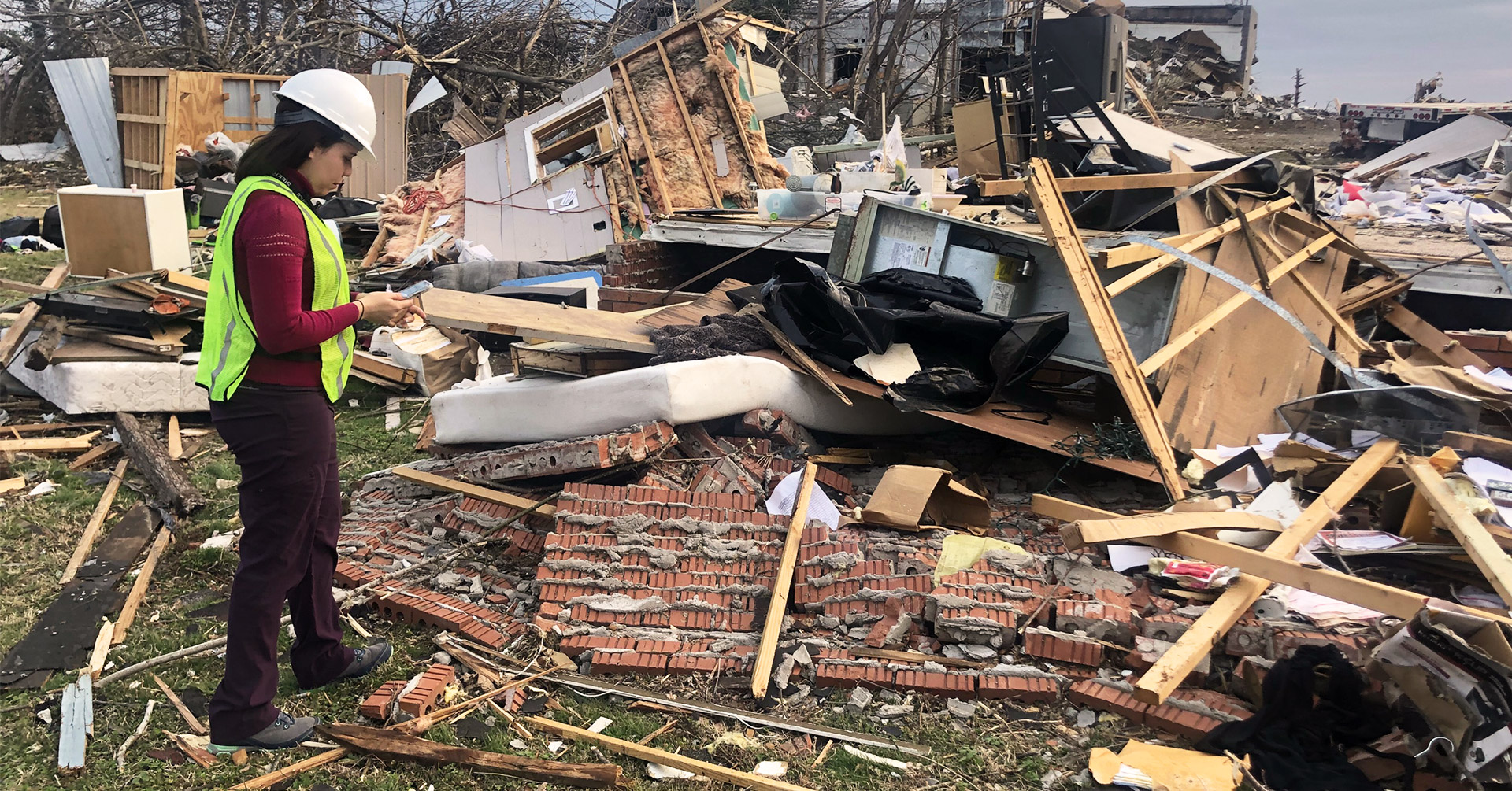
An Engineer’s Advice on Ensuring Structural Safety
Many organizations don’t realize that building safety codes were designed to ensure human survival and nothing more. They don’t guarantee that your building will be operable or even occupiable after a disaster.
A building needs to go beyond that minimum safety standard to support business continuity.
In this episode, Tracy Kijewski-Correa, Structural Engineer and Associate Professor at the University of Notre Dame, explains the steps that organizations should take to enhance building safety and maintain operations following a disaster.
We discuss:
- Why the loss of life and property is often preventable
- Setting safety goals to thrive, not just survive
- The competitive advantage of exceeding minimum safety codes
- How organizations can help create market demand for safer construction
Mentioned during the podcast:
StEER Network
The Employee Safety Podcast is hosted by Peter Steinfeld, SVP of Safety Solutions at AlertMedia.
You can find this interview and many more by subscribing to The Employee Safety Podcast on Apple Podcasts, Spotify, or here.
More Episodes You May Be Interested In
-
 Understanding Your Organization’s Climate Risk Exposure
Most organizations understand climate risks. Few know how to measure them. Jay Dunne has spent his career helping organizations understand and respond to complex risks across security operations, crisis response, and strategic intelligence. In this episode, Jay shares how intelligence, data, and collaboration can help organizations better understand their risk exposure to climate-driven disruptions. Episode…
-
 OSAC’s Blueprint for Global Security Collaboration
Security threats don’t respect borders, industries, or organizational charts. That’s why for the past 40 years, OSAC has connected government agencies and security professionals from U.S. private-sector organizations operating abroad to share intelligence, strengthen preparedness, and help organizations operate safely around the world. What began as a small advisory council—established by the U.S. Department of…
-
 Preparedness Lessons From 30 Years of Emergency Response
Preparedness works best when it is practical, adaptable, and built on strong relationships. Arthur Ditzel, System Director for Emergency Management and EMS Outreach at Westchester Medical Center Health Network, draws on more than 30 years of experience in EMS, fire service, and healthcare emergency management to share lessons from both major crises and everyday emergencies….