| In 1978, the U.S. airline industry underwent a seismic shift. The Airline Deregulation Act removed federal control over fares, routes, and market entry—ushering in competition that made air travel more accessible and routine. But that competition also pushed carriers to prioritize cost efficiency above all else, gradually eroding the buffers and redundancies that make a system resilient. Today, that balance is being tested anew, as rising demand, geopolitical conflicts, and operational strain converge across the global aviation system.
Air travel demand isn’t just rebounding after the pandemic lull—it’s accelerating. Long-term projections suggest global passenger numbers could more than double by 2050, driven by expanding middle classes and increased international connectivity.
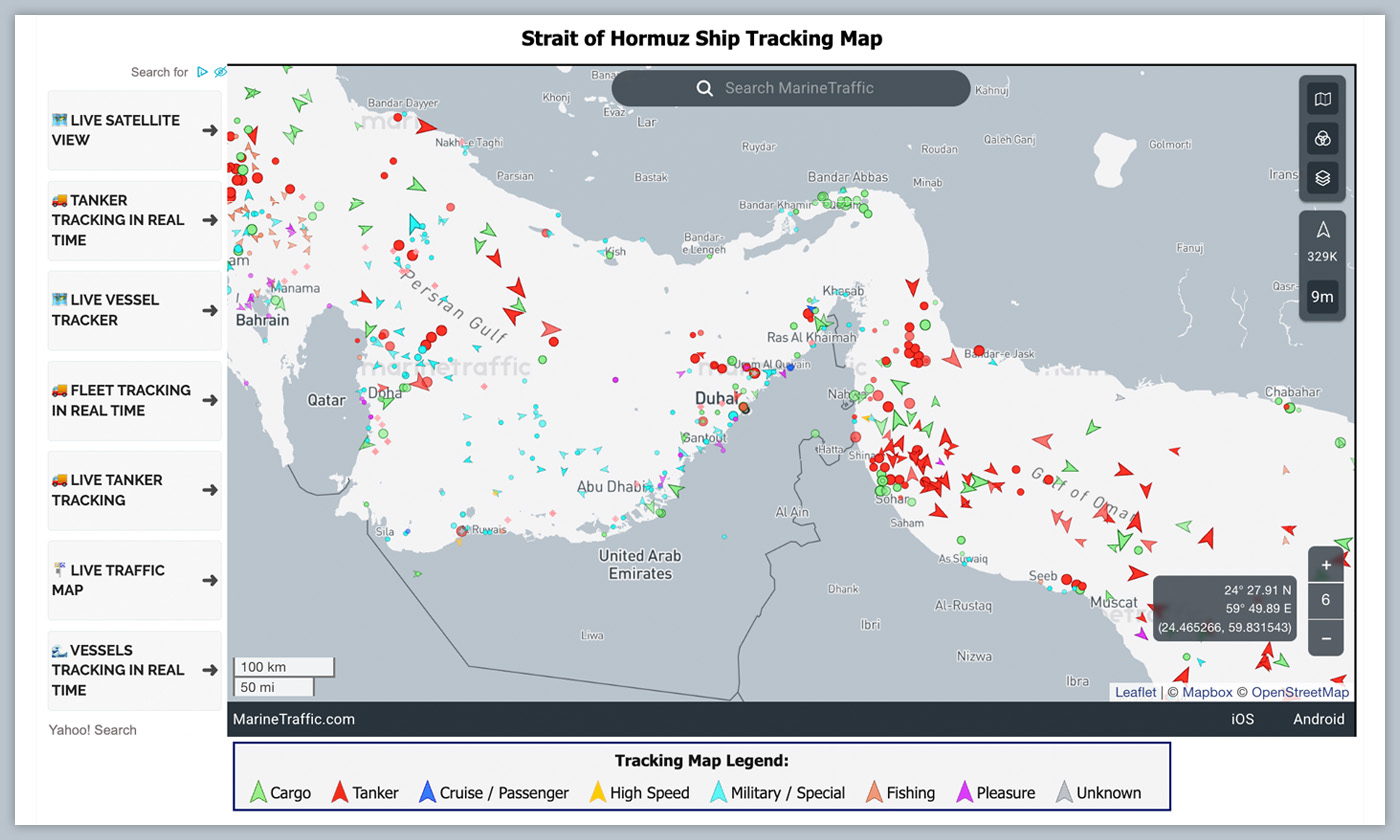
In the near term, U.S. carriers are already feeling the pressure. Even as strong passenger demand has helped offset rising operational costs, geopolitical instability is adding new financial strain and uncertainty into the mix. Ongoing tensions involving Iran and the broader Middle East have contributed to fluctuating oil prices and increased uncertainty for airlines trying to manage margins and maintain schedules. While planes are full, the cost of keeping them in the air is climbing—creating a precarious tension between profitability and reliability.
Ground-level disruptions
The risks aren’t only in the air. Late Sunday, a collision between an arriving Air Canada regional jet and a fire-rescue truck on a LaGuardia Airport runway left both pilots dead and dozens injured, shutting down the airport and canceling more than 500 flights. Early reports suggest an air traffic control miscommunication played a role. While investigations are still underway, the incident is a stark reminder of how quickly a single operational failure can cascade into widespread disruption.
And that failure didn’t happen in a vacuum. The U.S. government shutdowns have already had significant impacts on Transportation Security Administration (TSA) staffing as agents go without pay for the second month. Houston’s Hobby Airport, for example, reported that more than 50% of its TSA agents called out of work in a single day, and more than 360 TSA officers nationwide have quit in the last month.
Severe weather only adds to the strain—recent storms across the U.S. triggered widespread flight cancellations and delays, exposing how quickly an already stretched system can fracture under pressure.
Taken together, these factors paint a picture of an industry operating at—or near—capacity. Demand is high, but so is complexity. Airlines must navigate fluctuating fuel costs, geopolitical uncertainty, and infrastructure constraints, all while meeting traveler expectations shaped by decades of increasing convenience.
For organizations, this creates a growing exposure to travel-related disruptions. Delays aren’t just inconveniences; they can derail business operations, strand employees, and complicate crisis response efforts when timing is critical.
Why you should care: Air travel is a cornerstone of global business, but it’s also becoming a more fragile one. The convergence of rising demand, geopolitical instability, and operational vulnerabilities means disruptions are no longer edge cases—they’re expected scenarios.
For safety, security, and business continuity professionals, this underscores the importance of proactive planning. Whether it’s tracking global events that could impact fuel prices, preparing for travel delays tied to government disruptions, or ensuring employees receive real-time updates while in transit, the organizations best positioned to manage that risk are the ones that don’t wait for disruption to act. |