The Signal

By AlertMedia | November 3, 2026

Welcome to The Signal—AlertMedia’s weekly newsletter and your source for news and information on topics involving employee safety, business continuity, and emergency preparedness.

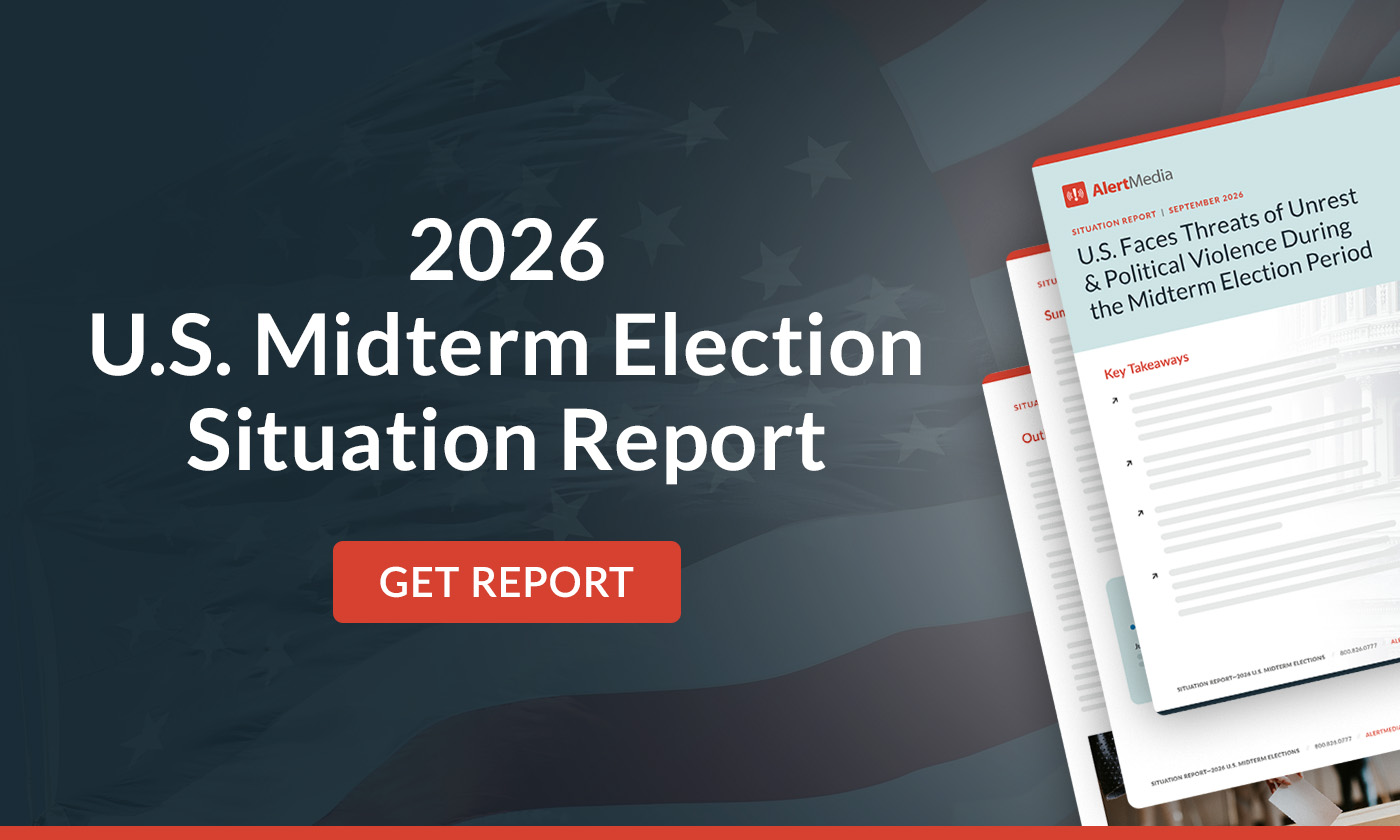
Get the 2026 U.S. Midterm Election Situation Report

The polls close tonight, but that doesn’t mean the risks do.


For organizations, the days after an election can matter as much as the day itself. Demonstrations can form near offices, and disputes over results can keep tensions high long after the last ballot is counted.


The 2026 U.S. Midterm Election Situation Report gives you analyst-curated insights into what’s worth watching, from demonstration activity where your employees live and work to AI-enabled cyber threats. Use it to keep your people informed and your operations steady through whatever comes next.
GET REPORT

THIS WEEK IN THE SIGNAL

Check
Check
Check
Check
Check

WHAT'S ON OUR RADAR

Patch Me If You Can

Picture a hotel where checking out doesn’t quite end your stay. You turn in your key, head home, and the card still opens the door.

Now picture that hotel holding nearly 70% of the world’s websites—at least those with identifiable programming language.

That’s roughly how Patrick Fussell, global head of adversary simulation at IBM, described PHP2Shell: “Think of a hotel room where you check out, but your key still works.” It’s also why websites around the world went dark last week.

On October 21, the PHP Foundation released fixes for two critical flaws in PHP, the programming language behind about 70% of websites with a known server-side language. The flaws, nicknamed PHP2Shell, live in how PHP manages memory. When a web fails under certain conditions, PHP can mishandle memory during cleanup, creating an opening attackers may exploit to take control of the server.

Each flaw carries a severity score of 9.2 out of 10. The FBI warned they could let attackers remotely execute code on affected servers.

Powered down
The FBI recommended that operators take websites offline if they couldn’t update right away. Many did:


Some bad news:
Attackers moved fast. Cloudflare CEO Matthew Prince said the company saw “thousands” of exploit attempts in the 10 hours before the announcement, “and millions now.” Amazon’s threat intelligence team recorded an exploitation attempt on October 17, four days before public disclosure.

And the threat hasn’t gone away. On October 26, CISA added both flaws to its Known Exploited Vulnerabilities catalog, confirming that they’re being actively exploited.

The good news: Patches are available for supported versions of PHP.

Discovery at machine speed
Teams at OpenAI, Google-owned Wiz, and Calif identified the flaws with help from AI. According to Wiz, a single researcher using frontier AI finished in a week work that would previously have taken a world-class team months. OpenAI said AI appeared to find the flaws before attackers did.

“The speed with which vulnerabilities are being discovered is well beyond what it ever was before,” said Fussell.

That speed cuts both ways. AI can help defenders find vulnerabilities sooner. But once a vulnerability becomes public, attackers have access to many of the same capabilities for understanding and exploiting it.

PHP2Shell compressed both sides of that timeline.

Why you should care: When the safest fix is pulling a website offline, the outage lands on customers and employees alike.

Ask your IT team and vendors whether any public-facing systems run PHP and, if so, whether they’re patched. Updating WordPress or its plugins alone doesn’t fix the flaws. PHP itself needs to be updated and affected services restarted.

Then plan for the next time a system goes dark on short notice, including how you’ll reach people if your website is the thing that’s down. These IT & Cybersecurity Communication Templates can help.


FEATURED FROM ALERTMEDIA

Every week, AlertMedia creates brand-new content to help safety, security, and business continuity professionals keep their people and organizations safe. Check out this week’s featured content:

Check
Check
Check

REQUIRED READING

It’s not actually required, but these articles caught our attention. Enjoy!


Check
Check
Check
Check
Check

THE ROTATION

Your weekly conversation starter.

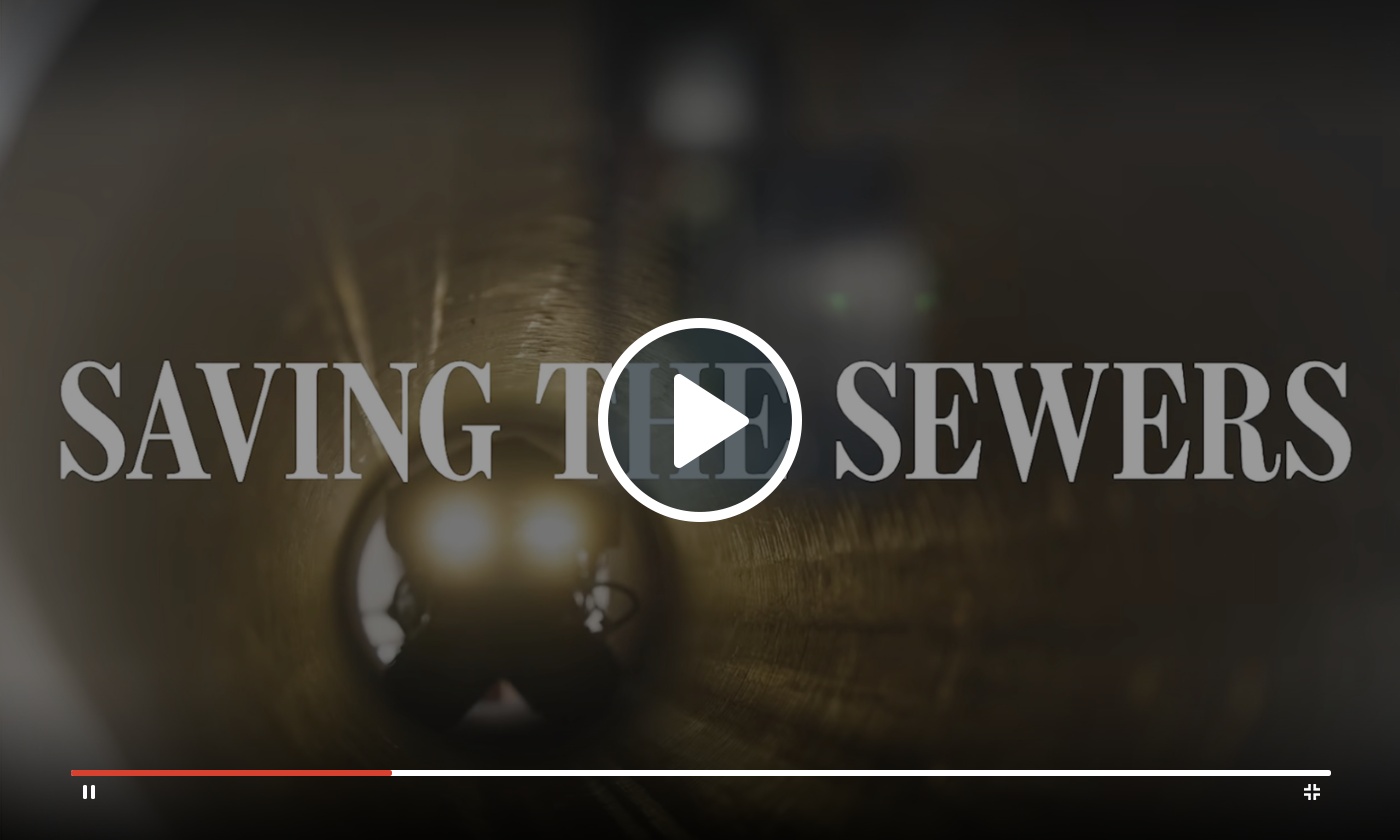
The Tiny Robot Solving a Massive Underground Crisis

Watch: The Tiny Robot Solving a Massive Underground Crisis

What happens when the pipes beneath our feet finally give out? In January, a collapsed sewer line outside Washington, D.C., sent more than 240 million gallons of raw sewage into the Potomac River, likely the largest spill in U.S. history.

This new video from The Wall Street Journal follows a team of European engineers and professors building a small robot designed to find problems in aging sewer pipes, and potentially fix them, before they turn into the next disaster.

WATCH NOW

Thank You for Reading The Signal

We hope you enjoyed this week’s issue of The Signal by AlertMedia.

Know someone who would enjoy this newsletter? Send them a link to subscribe.

You can also follow and interact with AlertMedia on the following social media platforms:

Alert Media Logo

© AlertMedia. All rights reserved. AlertMedia respects privacy.

401 S 1st Street, Suite 1400, Austin, TX 78704