The hardest lessons in emergency management are usually the ones written in hindsight.
Last July, catastrophic flooding along the Guadalupe River became one of the deadliest weather disasters in recent Texas history. More than 100 people were killed after intense rainfall sent the river rising at a pace that caught communities, emergency responders, and forecasters in a race against time.
Earlier this month, many of those same communities found themselves watching the forecast again.
The Guadalupe River rose once more, and hundreds of people had to be rescued from homes, vehicles, and floodwaters. At first glance, the two disasters appeared strikingly similar.
They were not.
Not all flash floods are created equal
The most obvious difference between last year’s floods and this month’s event was how the rain fell (not how much of it).
Last year’s flooding was driven by an intense, concentrated burst of rainfall over the Guadalupe River watershed. Water levels rose incredibly fast, leaving emergency managers with essentially no time to react before conditions became life-threatening.
This month’s storms followed a different pattern. Heavy rain fell over several days and across multiple river basins stretching from Uvalde County through the Hill Country and into Central Texas. Instead of one overwhelming surge, the region experienced repeated rounds of rainfall that allowed rivers to rise in stages rather than all at once. 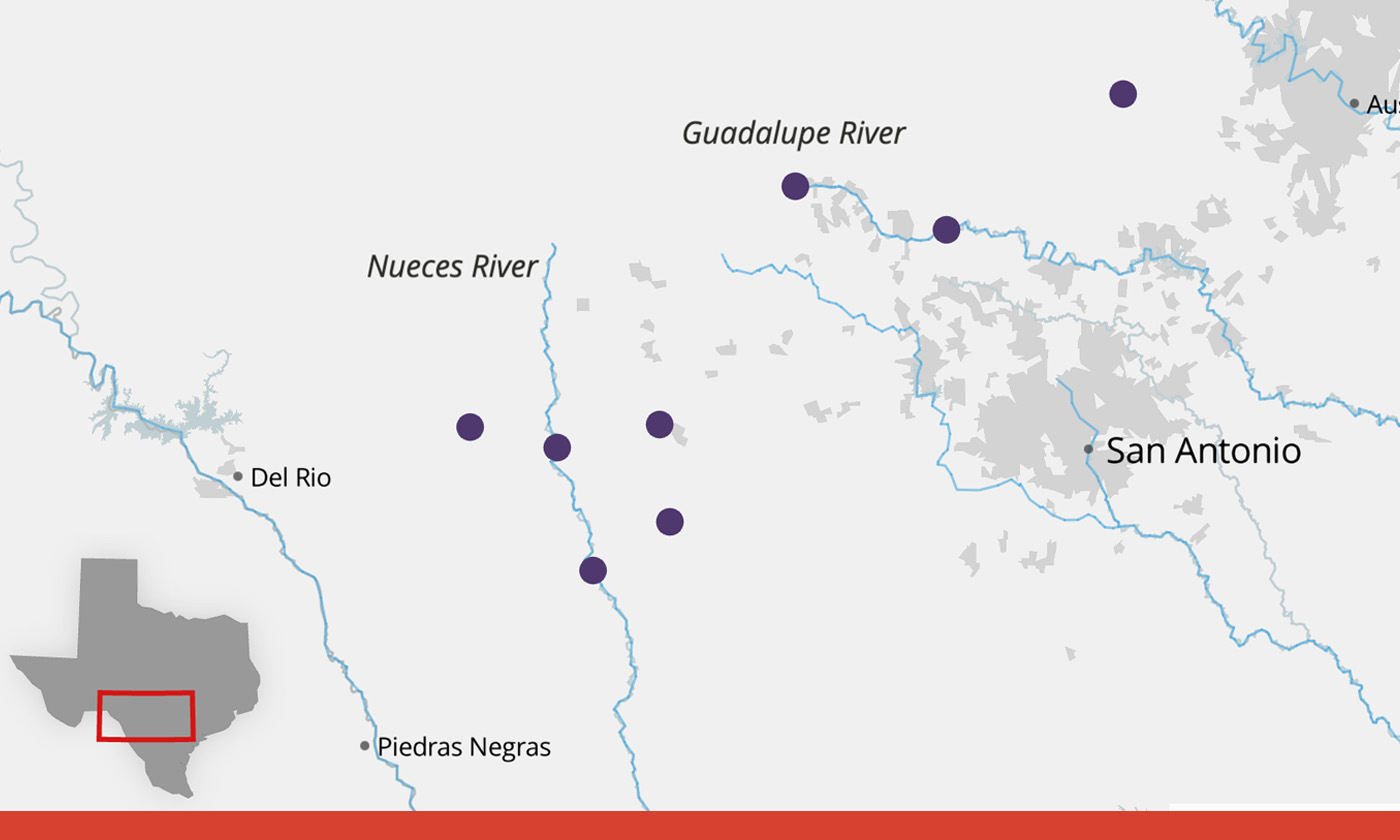 Greg Waller, a hydrologist with the National Weather Service’s West Gulf River Forecast Center, offered a simple comparison when speaking with the Texas Tribune:
“The Guadalupe River last year, it all came down at once. This one almost looks like a football game. There’s the first quarter, then there’s the second quarter... It’s spread out.”
That slower progression created something emergency managers rarely have during flash floods: time.
The response looked different, too
Over the past year, communities across the Hill Country revisited emergency plans, expanded warning systems, and prepared for the possibility that another major flood could come again... only 54 weeks later. Forecasters also began coordinating with local officials days before the heaviest rainfall arrived. This gave emergency managers more opportunities to position rescue resources and communicate with residents before rivers reached their highest levels.
Forecasters did not fundamentally change how warnings were issued compared with last year. What changed was the evolution of the storm itself and the amount of lead time available to emergency managers and the public.
The result was a flood that still caused widespread destruction but claimed far fewer lives than the catastrophe that unfolded one year earlier.
Why You Should Care: Emergency plans are often evaluated after they fail. They should also be evaluated after they succeed.
Every organization should ask itself the same question Texas communities spent the past year answering: If the exact same incident happened tomorrow, would our response look any different?
If the answer is no, now is the time to revisit your plans. The next emergency rarely arrives on your schedule.
|