The Signal

By AlertMedia | February 24, 2026

Welcome to The Signal—AlertMedia's weekly newsletter and your source for news and information on topics involving employee safety, business continuity, and emergency preparedness.

Link to 2026 FIFA World Cup Situation Report.

Global events don't just draw crowds. They strain the systems your operations rely on every day.

During the 2026 World Cup, transportation networks, emergency services, and local infrastructure won't just be busy. They'll be stretched for weeks. Smaller host cities, major transit hubs, and surrounding communities will feel it most.

The 2026 FIFA World Cup Situation Report breaks down where disruptions are most likely to surface—and what your organization should account for in its planning now.

GET REPORT

THIS WEEK IN THE SIGNAL

Check
Check
Check
Check
Check

WHAT'S ON OUR RADAR

Signal Through the Snow

Snow rarely fails without warning. Storm layers stack on top of one another. Wind pushes fresh snow into dense slabs. Temperatures rise and fall, quietly weakening what looked stable just hours earlier. To the naked eye, everything can appear calm and predictable. Underneath, the structure may already be compromised.

That fragile balance collapsed last week in California.

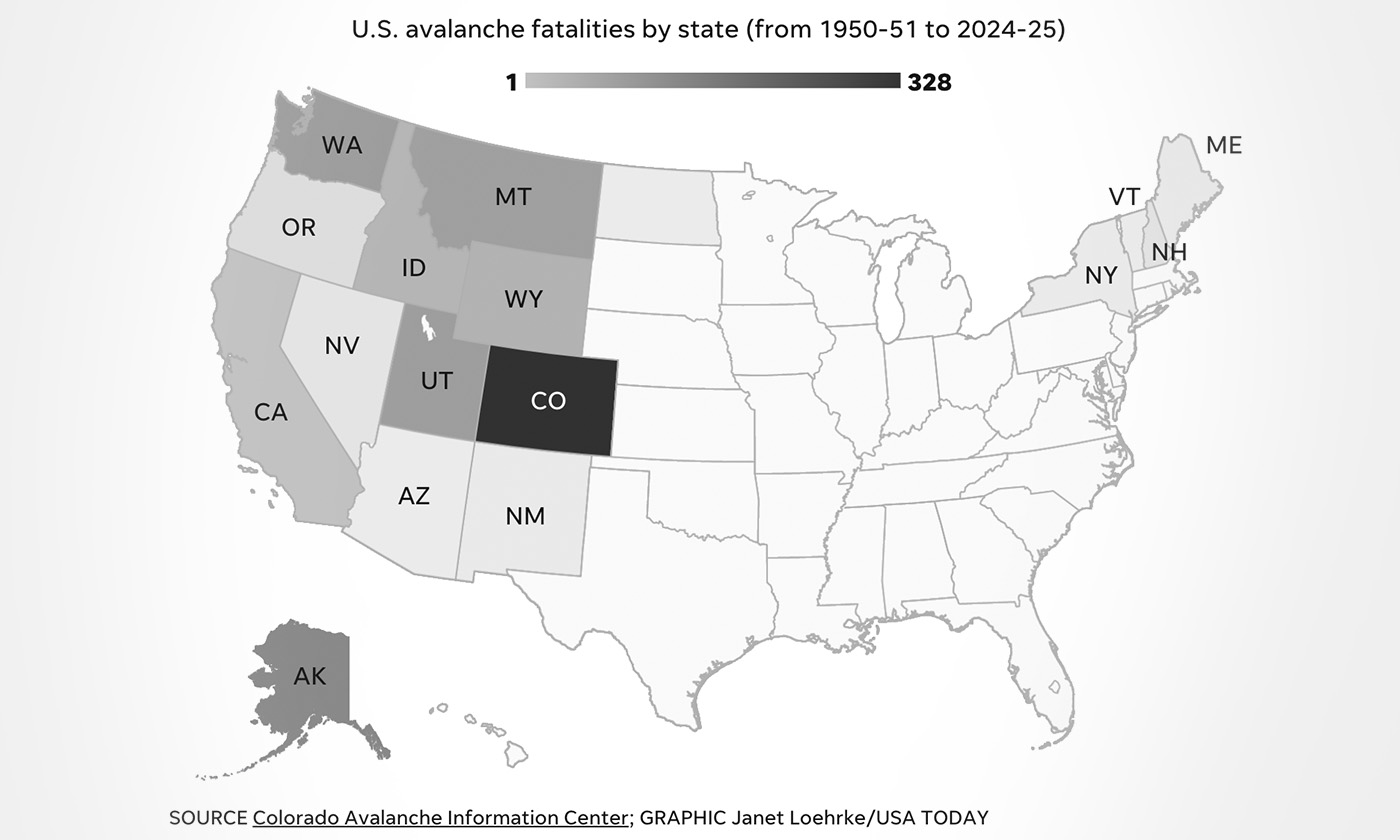
A powerful avalanche struck the Castle Peak area near Donner Summit, north of Lake Tahoe, killing nine backcountry skiers and leaving one person still missing (at the time of this writing). Authorities also confirmed six survivors, two of whom were injured. This is the deadliest U.S. avalanche in almost 45 years, according to the Colorado Avalanche Information Center (CAIC).

According to reporting, at least one of the trapped skiers was able to activate an emergency SOS function on a mobile device, which transmitted location data to first responders. Others in the group were able to place emergency calls once they freed themselves or located cell signal. That distress alert triggered a coordinated search-and-rescue operation involving local sheriff's deputies, ski patrol, and volunteer teams. Rescue crews still faced formidable conditions. Heavy snowfall, strong winds, and limited visibility slowed recovery efforts and complicated access to the remote terrain.

Map of U.S. avalanch fatalities by state.

The timing is especially sobering. Earlier that day, the U.S. Forest Service Sierra Avalanche Center issued an urgent avalanche warning for the region. Meteorologists warned that the Sierra was facing multiple rounds of heavy snow, a pattern known to rapidly increase avalanche danger as fresh accumulation loads existing weak layers.

Avalanche centers use precise language when danger levels reach "high" or "extreme." At those thresholds, natural avalanches are likely and human-triggered avalanches are very likely.

Yet warnings alone do not eliminate exposure.

In this case, the ability to send a distress signal—even from a remote mountainside during a storm—initiated a lifesaving response.

Why you should care: This tragedy underscores a critical reality for industry leaders: communication is not just about pushing alerts. It is also about receiving them.

Consider whether your organization:

  • Has a reliable way for employees to trigger an emergency SOS and share their location
  • Supports two-way communication during severe weather or travel-related incidents
  • Monitors threat intelligence so warnings translate into proactive decisions
  • Reinforces go/no-go travel policies during high-risk weather events

FEATURED FROM ALERTMEDIA

Every week, AlertMedia creates brand-new content to help safety, security, and business continuity professionals keep their people and organizations safe. Check out this week's featured content:

Check
Check
Check

REQUIRED READING

It's not actually required, but these articles caught our attention! Enjoy!


Check
Check
Check
Check
Check

THE ROTATION

Your weekly conversation starter.

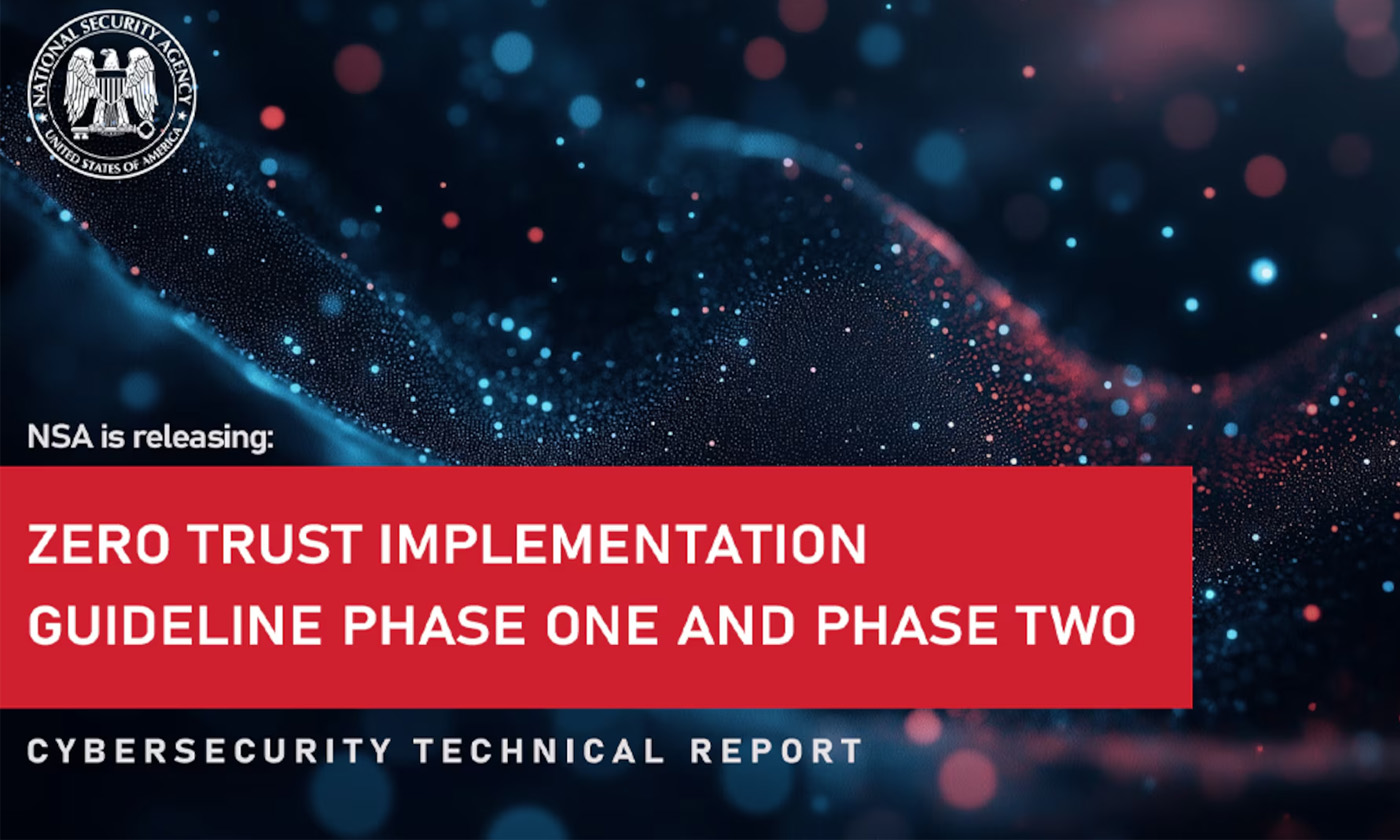
NSA Releases Phase One and Two of the Zero Trust Implementation Guidelines

NSA Cybersecurity Technical Report: Zero Trust Implementation Guideline Phase One and Phase Two

The National Security Agency (NSA) just released the next steps in its Zero Trust roadmap, designed to help organizations turn strategy into action.

Zero Trust is a cybersecurity approach built on one core principle: Never automatically trust any user, device, or system, even if it's inside your network. Every access request must be verified, and access is limited to only what's necessary. The goal is to reduce risk by assuming threats can exist both outside and inside your environment.

Phase One and Phase Two of the Zero Trust Implementation Guidelines break down what it takes to reach target-level Zero Trust maturity. No buzzwords. No guesswork. Just a clear path forward.

LEARN MORE

Thank You for Reading The Signal

We hope you enjoyed this week's issue of The Signal by AlertMedia.

Know someone who would enjoy this newsletter? Send them a link to subscribe.

You can also follow and interact with AlertMedia on the following social media platforms:

Alert Media Logo

© AlertMedia. All rights reserved. AlertMedia respects privacy.

401 S 1st Street, Suite 1400, Austin, TX 78704