The Signal

By AlertMedia | January 27, 2026

Welcome to The Signal—AlertMedia’s weekly newsletter and your source for news and information on topics involving employee safety, business continuity, and emergency preparedness.

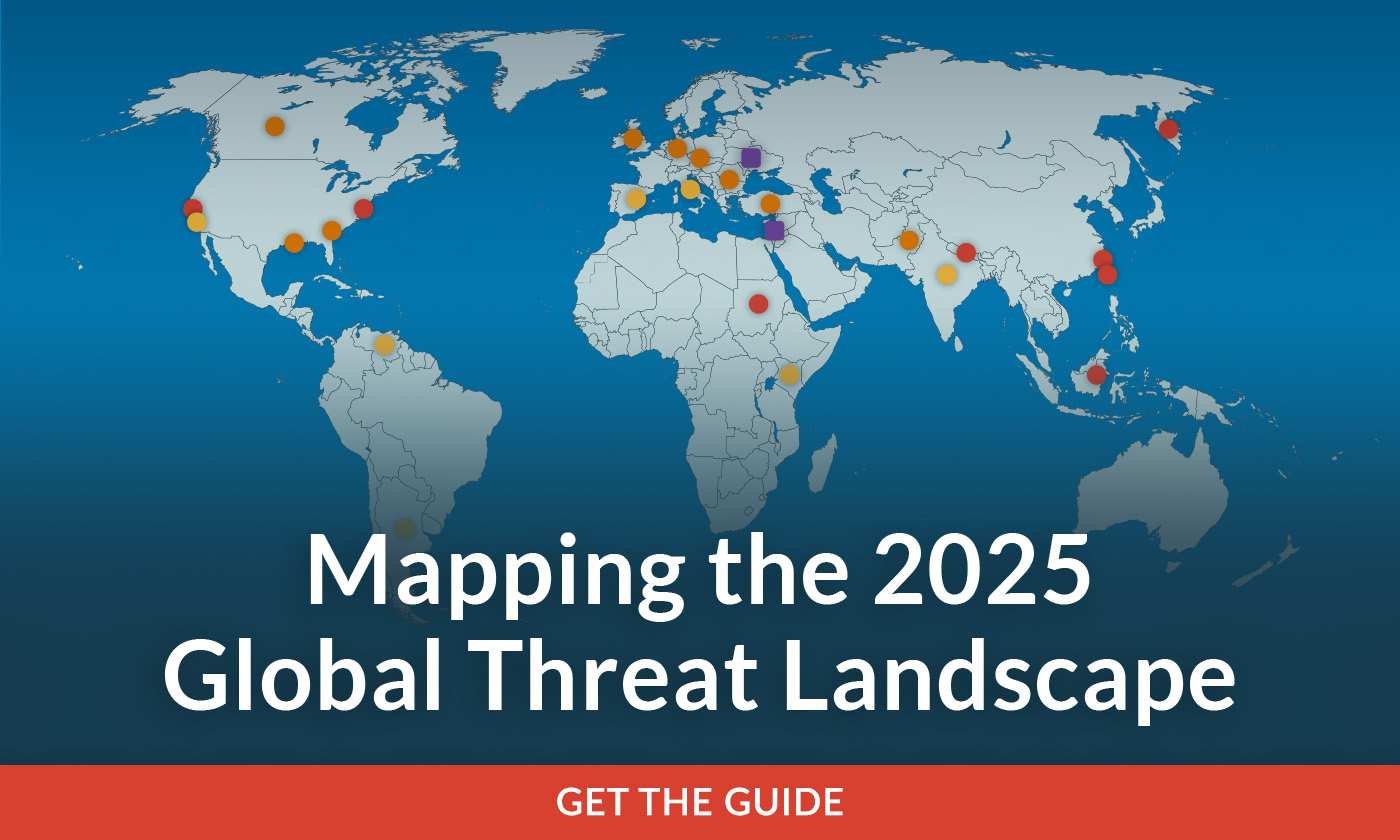
Image linked to Mapping the 2025 Global Threat Landscape Guide

From wildfires and cyberattacks to political violence and civil unrest, 2025 made one thing clear: Disruption rarely happens in isolation.

This new visual guide provides a clear snapshot of the events that mattered most and the patterns behind them.

GET THE GUIDE

THIS WEEK IN THE SIGNAL

Check
Check
Check
Check
Check

WHAT'S ON OUR RADAR

Rail Reckoning

For more than three decades, Spain’s high-speed rail system has been held up as a quiet triumph of modern infrastructure. Sleek trains stitched together distant cities, reduced reliance on short-haul flights, and became a point of national pride. The assumption was that this system was not just fast, but fundamentally safe. That confidence shattered earlier this month, when a routine journey on a recently refurbished stretch of track devolved into Spain’s deadliest rail disaster in a decade.

When another train derailed just two days later, a trusted network suddenly became a case study in how quickly risk can compound when infrastructure, environment, and human systems collide.

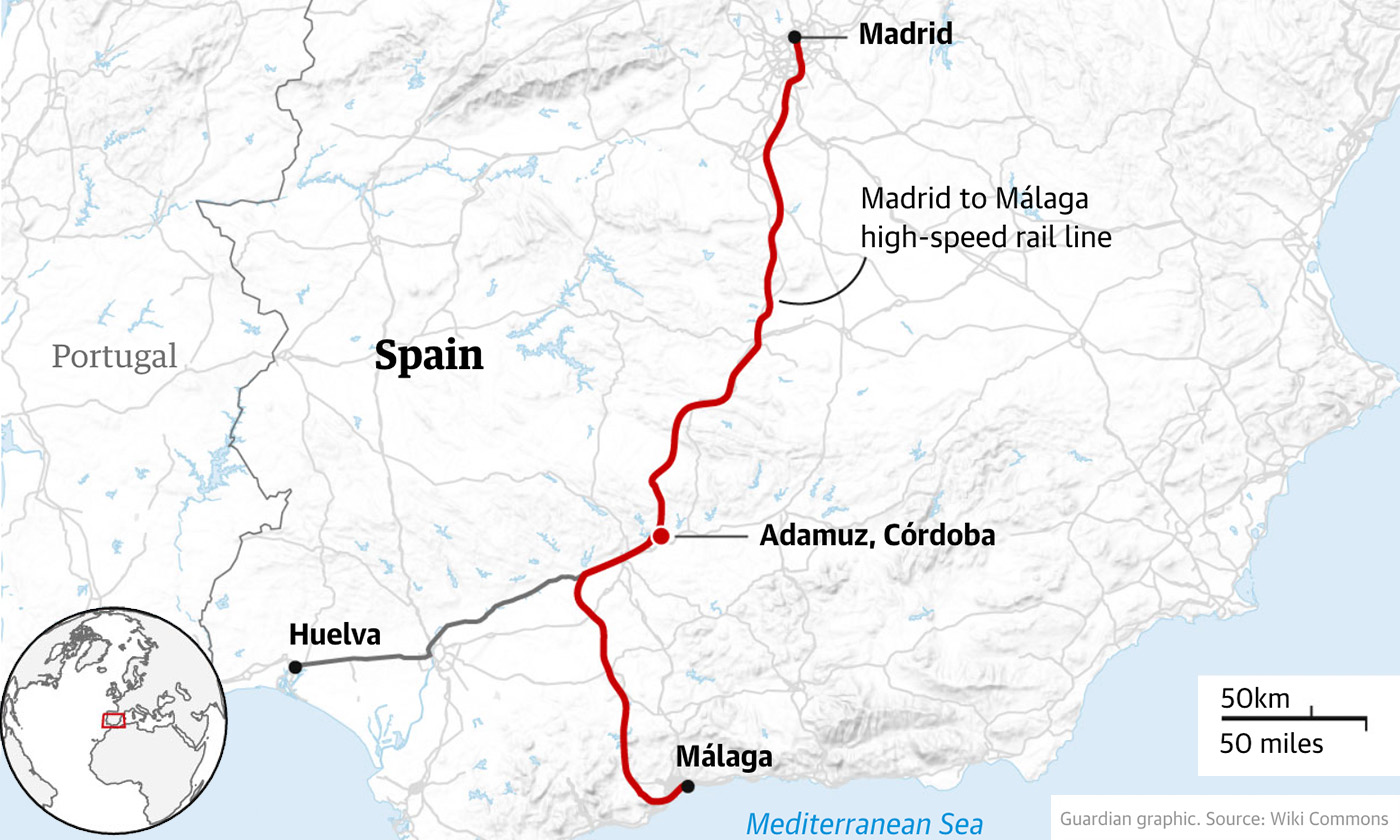
On January 18, a high-speed train traveling from Málaga to Madrid derailed near Adamuz, in the southern province of Córdoba, before slamming into an oncoming service on the Madrid–Seville line. At least 45 people were killed and hundreds more injured in a crash investigators initially described as “tremendously strange,” given that it occurred on a straight section of track that had undergone renovation less than a year earlier.

Carriages were thrown from the rails, rescue crews worked overnight to reach trapped passengers, and Spain declared days of national mourning as questions mounted about how such a failure could occur in a system designed for speed, precision, and redundancy.

Map of Spain's rail network

Before the country had time to process that tragedy, a second train crashed. Just two days later, a commuter train in Gelida, Catalonia, hit debris from a collapsed retaining wall after heavy rainfall, killing the driver and injuring dozens of passengers. While smaller in scale, the timing was impossible to ignore. Investigators quickly pointed to weather as a contributing factor.

Then came a third incident, when a passenger train collided with an unauthorized crane near Cartagena, injuring several people and further eroding public confidence.

As the immediate emergency response gave way to scrutiny, deeper tensions surfaced. Rail unions announced a three-day strike, arguing that years of safety warnings had gone unaddressed and that the crashes reflected systemic issues rather than isolated failures. “This is not bad luck,” one union representative told The Guardian. “It is the result of decisions that put efficiency ahead of safety.” Government officials, meanwhile, pledged transparency as investigations continue into possible track defects, maintenance gaps, or signaling failures.

Why you should care: Spain’s rail disasters are a stark reminder that resilience is tested not when systems are operating normally, but when multiple risks overlap. Infrastructure that appears sound can still harbor vulnerabilities. Weather can transform background risk into immediate danger. And restoring public confidence now hinges less on reassurance and more on transparent, credible communication. For industry leaders, the lesson is familiar: Preparedness must account for cascading incidents and not just single points of failure.


FEATURED FROM ALERTMEDIA

Every week, AlertMedia creates brand-new content to help safety, security, and business continuity professionals keep their people and organizations safe. Check out this week’s featured content:

Check
Check
Check

REQUIRED READING

It’s not actually required, but these articles caught our attention! Enjoy!


Check
Check
Check
Check
Check

THE ROTATION

Your weekly conversation starter.

Will AI Dramatically Improve Severe Weather Forecasts?

World Map of Space Satellites linked to Youtube Video

Researchers in Boulder, Colorado, are using artificial intelligence to develop new tools for understanding and forecasting severe weather and tornadoes. This new video from the Washington Post explores how those efforts could change the way severe weather is predicted and make AI weather models more accessible by automating complex calculations and reducing resource demands.

WATCH NOW

Thank You for Reading The Signal

We hope you enjoyed this week’s issue of The Signal by AlertMedia.

Know someone who would enjoy this newsletter? Send them a link to subscribe.

You can also follow and interact with AlertMedia on the following social media platforms:

Alert Media Logo

© AlertMedia. All rights reserved. AlertMedia respects privacy.

401 S 1st Street, Suite 1400, Austin, TX 78704

This email was sent to {{lead.Email Address}}. If you no longer wish to receive these emails you may unsubscribe.